
उसे बचाएँ, प्रजाति को बचाएँ: बेरियड मादा मड क्रैब के संरक्षण के लिए गोवा की राज्यव्यापी अपील
उसे बचाएँ, प्रजाति को बचाएँ: बेरियड मादा मड क्रैब के संरक्षण के लिए गोवा की राज्यव्यापी अपील
मुख्यमंत्री डॉ. प्रमोद सावंत ने गोवा के मछुआरों से अंडों वाली मादा मड क्रैब को पकड़ने से बचने और उन्हें वापस जल में छोड़ने की अपील की; ICAR-CCARI के वैज्ञानिकों ने ‘स्वयंपूर्ण गोवा’ के तहत इस संरक्षण अभियान को वैज्ञानिक समर्थन दिया।
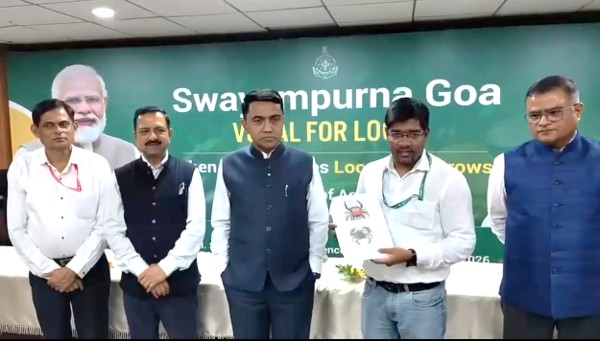
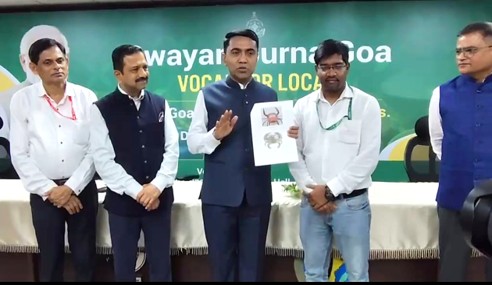
गोवा की जलीय जैव विविधता के संरक्षण और सतत मत्स्य संसाधन प्रबंधन की दिशा में एक महत्वपूर्ण कदम उठाते हुए, गोवा के माननीय मुख्यमंत्री डॉ. प्रमोद सावंत ने 14 अगस्त 2026 को गोवा की जनता, विशेष रूप से मड क्रैब का शिकार करने वाले मछुआरों से अंडों से भरी मादा मड क्रैब (Berried Female Mud Crab) को पकड़ने और खाने से बचने की अपील की। यह अपील ICAR–केंद्रीय तटीय कृषि अनुसंधान संस्थान (ICAR-CCARI), गोवा के वैज्ञानिकों की उपस्थिति में की गई। यह पहल राज्य के ‘स्वयंपूर्ण गोवा’ के दृष्टिकोण के अनुरूप जिम्मेदार संसाधन उपयोग और आत्मनिर्भर एवं सतत स्थानीय उत्पादन को बढ़ावा देती है।
मुख्यमंत्री ने कहा कि मड क्रैब की अंडों से भरी मादाओं का संरक्षण क्रैब की आबादी को बनाए रखने के लिए अत्यंत आवश्यक है। उन्होंने मछुआरों, विक्रेताओं और उपभोक्ताओं से अंडों वाली मादा मड क्रैब की पहचान करने तथा उन्हें पकड़ने के बजाय उनके प्राकृतिक आवास में वापस छोड़ने का आग्रह किया।
इस संरक्षण अभियान की शुरुआत ICAR-CCARI के वैज्ञानिक श्री त्रिवेश एस. मायकेकर, डॉ. परवीन कुमार, निदेशक, ICAR-CCARI के नेतृत्व में, द्वारा अंडों से भरी मादा मड क्रैब के संरक्षण के लिए एक केंद्रित और समुदाय-उन्मुख अभियान की पहल से हुई। उनके प्रस्ताव के आधार पर गोवा के माननीय मुख्यमंत्री डॉ. प्रमोद सावंत ने सभी गोअन मछुआरों से अंडों वाली मादा मड क्रैब की पहचान कर उन्हें वापस जल में छोड़ने की आदत अपनाने की अपील की। इस प्रकार, एक वैज्ञानिक के मैदानी स्तर के अवलोकन और पहल को एक समन्वित प्रयास के माध्यम से राज्यव्यापी जन-जागरूकता अभियान का स्वरूप मिला।
मड क्रैब गोवा के ज्वारनदमुखों, मैंग्रोव क्षेत्रों और तटीय पारिस्थितिक तंत्रों के लिए पारिस्थितिक एवं आर्थिक रूप से महत्वपूर्ण संसाधन हैं। मादा मड क्रैब की पहचान उसके चौड़े और गोलाकार उदर से की जा सकती है, जिसके नीचे वह विकसित हो रहे अंडों को धारण करती है। अंडों से भरी ऐसी मादा को ‘बेरियड फीमेल’ कहा जाता है।
एक परिपक्व मादा अपने आकार और प्रजाति के आधार पर सैकड़ों हजारों से लेकर कई लाखों अंडे तक धारण कर सकती है। ये अंडे उसके उदर के नीचे सुरक्षित रहते हैं और उनके फूटने तक वहीं विकसित होते हैं। अंडे देने से पहले ऐसी मादा को पकड़ लेना एक ही शिकार में आने वाली पूरी भावी पीढ़ी को समाप्त कर सकता है। इस कारण भविष्य के क्रैब स्टॉक पर एक बेरियड मादा के संरक्षण का प्रभाव सामान्य वयस्क क्रैब की तुलना में कहीं अधिक होता है।
अंडों से भरी मादाओं को संरक्षण देकर और उन्हें वापस जल में छोड़कर उन्हें प्रजनन पूरा करने का अवसर मिलता है। इससे प्राकृतिक भर्ती (Recruitment) को बढ़ावा मिलता है और लंबे समय में क्रैब संसाधनों तथा मत्स्य व्यवसाय की स्थिरता मजबूत होती है।
गोवा के ICAR-CCARI के वैज्ञानिकों ने मड क्रैब की प्राकृतिक आबादी को बनाए रखने में प्रजननशील मादाओं के महत्व को रेखांकित करते हुए इस संरक्षण अभियान को वैज्ञानिक आधार प्रदान किया है। संस्थान ने मछुआरों और आम जनता के लिए एक सरल तीन-चरणीय संरक्षण उपाय को बढ़ावा दिया है:
1. बेरियड मादा की पहचान करें।
2. उसका शिकार करने से बचें।
3. उसे सुरक्षित रूप से वापस जल में
छोड़ दें।
यह पहल ICAR-CCARI के वैज्ञानिक अनुसंधान को व्यावहारिक, समुदाय-स्तरीय संरक्षण उपायों में परिवर्तित करने के व्यापक प्रयासों को दर्शाती है। इसका उद्देश्य गोवा के तटीय तालुकों में मछुआरों, क्रैब हार्वेस्टरों और आम जनता के बीच जिम्मेदार मड क्रैब harvesting practices को बढ़ावा देना है।
आत्मनिर्भर और सतत गोवा की ओर सामूहिक प्रयास
अधिकारियों के अनुसार, ICAR-CCARI के वैज्ञानिक श्री त्रिवेश एस. मायकेकर की भागीदारी तथा गोवा के माननीय मुख्यमंत्री डॉ. प्रमोद सावंत की अपील मिलकर गोवा को मड क्रैब उत्पादन में आत्मनिर्भर बनाने और भविष्य की पीढ़ियों के लिए इसके क्रैब संसाधनों को सुरक्षित रखने में महत्वपूर्ण भूमिका निभा सकती है।
यह अपील मत्स्य संसाधन संरक्षण में सामुदायिक भागीदारी के महत्व को रेखांकित करती है। मछुआरे, विक्रेता और उपभोक्ता सभी केवल बेरियड मादा की पहचान कर और उसे वापस जल में छोड़कर इस संरक्षण प्रयास में प्रत्यक्ष योगदान दे सकते हैं।
निकट भविष्य में इस अभियान से जमीनी स्तर पर कई महत्वपूर्ण परिणाम सामने आने की उम्मीद है। इनमें गोवा के मछुआरा एवं विक्रेता समुदायों के बीच बेरियड मादा मड क्रैब की पहचान के संबंध में व्यापक जागरूकता, लैंडिंग सेंटरों और बाजारों में अंडों वाली मादा क्रैब को स्वेच्छा से वापस जल में छोड़ना, तथा राज्यभर के जेट्टी और मछली बाजारों में पहचान संबंधी सामग्री, जैसे अभियान के दौरान उपयोग किए गए चित्रात्मक क्रैब चार्ट, का वितरण शामिल है। साथ ही, ICAR-CCARI द्वारा मछुआरा समुदायों के साथ आगे प्रशिक्षण, निगरानी और जन-जागरूकता कार्यक्रमों में सक्रिय भागीदारी की भी परिकल्पना की गई है।
मध्यम से दीर्घ अवधि में इस पहल से प्राकृतिक क्रैब भर्ती और गोवा के ज्वारनदमुखों एवं मैंग्रोव क्षेत्रों में क्रैब आबादी में क्रमिक सुधार, आगामी मौसमों में कानूनी आकार के गैर-प्रजननशील क्रैब की अधिक स्थिर और संभावित रूप से बेहतर पकड़, जंगली प्रजननशील क्रैब स्टॉक पर कम दबाव तथा एक अधिक मजबूत और लचीले क्रैब मत्स्य व्यवसाय के विकास जैसे संरक्षण एवं आजीविका संबंधी परिणाम प्राप्त होने की उम्मीद है।
यदि यह पहल सफल होती है, तो वैज्ञानिक पहल, राज्य के नेतृत्व और सामुदायिक भागीदारी पर आधारित गोवा का यह मॉडल अन्य तटीय राज्यों के लिए भी एक अनुकरणीय उदाहरण बन सकता है। इससे वे अपने-अपने सतत मत्स्य प्रबंधन और ‘स्वयंपूर्ण’ जैसी आत्मनिर्भरता की पहलों के तहत बेरियड मादा क्रैब तथा अन्य अंडे धारण करने वाले क्रस्टेशियनों के संरक्षण को बढ़ावा दे सकते हैं।
Save Her, Save the Species: Goa Launches Statewide Appeal to Protect Berried Female Mud Crabs
Chief Minister Dr Pramod Sawant appeals to Goan fishermen to release egg-bearing crabs back into the water, as ICAR-CCARI scientists back the conservation drive under Swayampurna Goa
In a significant step towards sustainable fisheries and the conservation of Goa's aquatic biodiversity, Hon'ble Chief Minister of Goa, Dr Pramod Sawant, on 14th August 2026 appealed to the people of Goa particularly those engaged in mud crabharvesting to refrain from catching and consuming berried female crabs carrying eggs. The appeal, made in the presence of scientists from the ICAR–Central Coastal Agricultural Research Institute (ICAR-CCARI), Goa, was issued in alignment with the state's Swayampurna Goa vision of responsible resource use and self-reliant, sustainable local production.
"Protecting berried female mud crabs is essential to sustaining our crab population," the Chief Minister said, urging fishermen, vendors and consumers alike to identify egg-bearing females and release them back into their natural habitat instead of harvesting them.
The conservation drive traces its origins to ICAR-CCARI Scientist Shri Trivesh S. Mayekar under the leadership of Dr Parveen Kumar , Director ICAR-CCARI who first initiated the idea of a focused, community-facing campaign to protect berried female mud crabs. Building on his proposal, the Hon'ble Chief Minister of Goa, Dr Pramod Sawant, appealed to all Goan fishermen to adopt the practice of identifying and releasing egg-bearing crabs — turning a scientist's field-level observation into a state-wide public appeal within a single coordinated initiative.
Mud crabs are ecologically and economically important resources of Goa's estuaries, mangroves and coastal ecosystems. Female mud crabs are distinguished by their broad, rounded abdomen, which enables them to carry developing eggs beneath it — a female in this condition is called a berried female. A single mature female can carry hundreds of thousands to several million eggs, depending on her species and size, and these eggs remain protected under her abdomen until they hatch. Harvesting a berried female before she spawns removes an entire future generation from the population in one catch, giving her a disproportionate impact on future crab stocks compared with an ordinary adult crab. Protecting and releasing egg-bearing females, by contrast, allows them to complete reproduction, supports natural recruitment, and strengthens the long-term sustainability of the fishery.
Scientists from ICAR-CCARI, Goa, have played a central role in bringing scientific attention to the need for protecting berried female mud crabs. Recognising the importance of breeding females in maintaining natural crab populations, the Institute promoted a simple, three-step conservation approach for fishers and the public: identify berried females, avoid harvesting them, and release them safely back into the water. The initiative reflects ICAR-CCARI's broader effort to translate scientific research into practical, community-level conservation measures, and aims to encourage responsible harvesting practices among fishers, crab harvesters and the wider public across Goa's coastal talukas.
Officials note that the participation of ICAR-CCARI Scientist Shri Trivesh S. Mayekar, together with the appeal of the Hon'ble Chief Minister of Goa, Dr Pramod Sawant, can help make Goa Swayampurna in crab production and ensure that its crab resources remain available for future generations. The appeal underlines the importance of community participation in fisheries conservation — a reminder that fishermen, vendors and consumers each have a direct role to play simply by learning to recognise a berried female and choosing to let her go.
In the near term, the campaign is expected to translate into visible, on-the-ground outputs: wider awareness among Goa's fishing and vending communities about how to identify berried female mud crabs, voluntary release of egg-bearing crabs at landing centres and markets, distribution of identification material (such as the illustrated crab charts used at the launch event) to jetties and fish markets across the state, and active involvement of ICAR-CCARI in follow-up training, monitoring and outreach sessions with fisherfolk.
Over the medium to long term, the initiative is expected to produce measurable conservation and livelihood outcomes: a gradual recovery in natural crab recruitment and population size along Goa's estuaries and mangroves, more stable and potentially higher catches of legal-size, non-breeding crabs in subsequent seasons, reduced pressure on wild broodstock, and a stronger, more resilient crab fishery that supports fisher incomes sustainably rather than depleting the resource it depends on. If successful, the Goa model a scientist-initiated idea backed by direct Chief Ministerial appeal could also serve as a replicable template for other coastal states seeking to protect berried female crabs and other egg-bearing crustaceans as part of their own sustainable fisheries and Swayampurna-style self-reliance goals.