
ICAR–CCARI–KVK, North Goa Organizes Training on Crop Diversification and Integrated Farming for Sustainable Farm Productivity
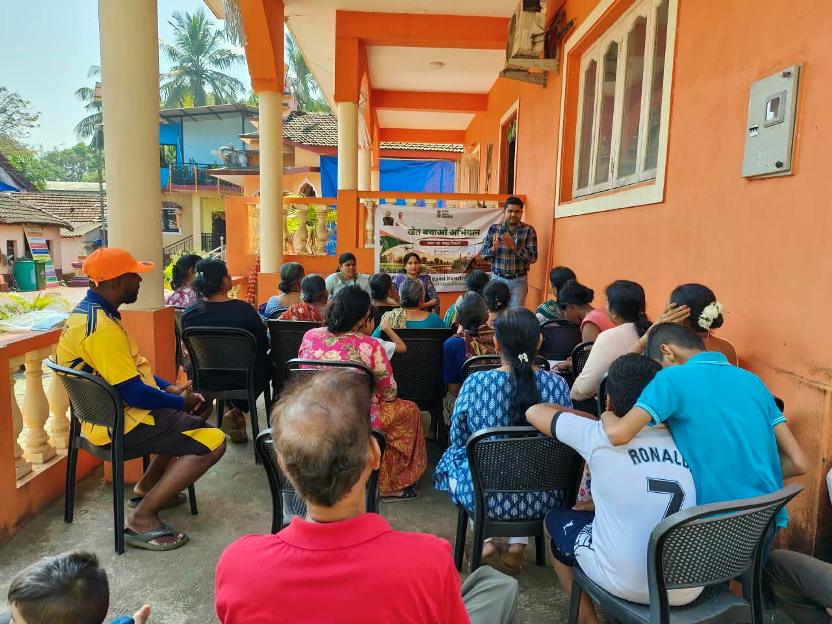
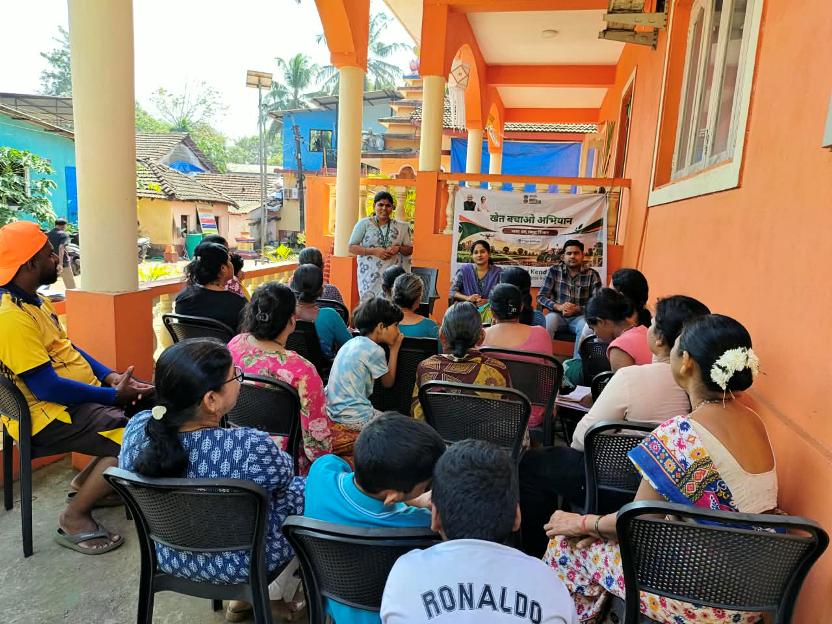
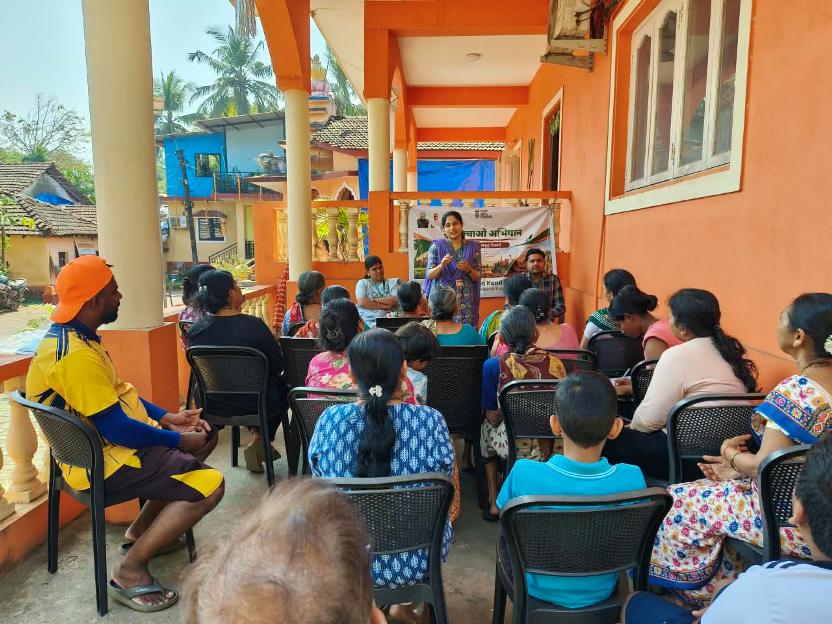
ICAR–Krishi Vigyan Kendra, North Goa, under ICAR–Central Coastal Agricultural Research Institute, Goa, organized a training on “Crop Diversification and Integrated Farming for Sustainable Farm Productivity” under the Khet Bachao Abhiyan (KBA–Rabi 2026) on 20th November 2026 at Diwar, Tiswadi taluka, North Goa. The programme aimed to create awareness among farmers about the importance of crop diversification and integrated farming systems for enhancing farm productivity, improving farm income, ensuring efficient utilization of available resources and promoting sustainable agricultural practices.
Dr. Theivanai M, Scientist (Fruit Science), ICAR–CCARI, Goa, highlighted the importance of cultivating fruit crops using organic and natural farming practices. She elaborated on suitable cultivation practices, nutrient management and the adoption of eco-friendly approaches for the management of insect pests and diseases in fruit crops, emphasizing the need to minimize the use of chemical inputs and promote sustainable fruit production.
Dr. Nivya K. R, Subject Matter Specialist (Floriculture & Landscaping), ICAR–KVK, North Goa, highlighted the importance of crop diversification and the integration of floriculture and other horticultural crops into existing farming systems to enhance farm productivity, improve farmers’ income and create additional livelihood opportunities. She emphasized the potential of floriculture as a viable income-generating enterprise and encouraged farmers to explore the cultivation of suitable flower crops based on local agro-climatic conditions and market demand. She also stressed the importance of adopting organic cultivation practices, promoting the use of biofertilizers and other eco-friendly agricultural inputs to improve soil health, maintain soil fertility and reduce dependence on chemical fertilizers.
Mr. Rahul Kumar, Subject Matter Specialist (Agronomy), ICAR–KVK, North Goa, emphasized the importance of soil testing and scientific soil sampling for maintaining soil health and improving crop productivity. He explained the procedure for collecting representative soil samples and highlighted the benefits of soil testing in understanding soil nutrient status, identifying nutrient deficiencies and making appropriate fertilizer recommendations for balanced nutrient management.
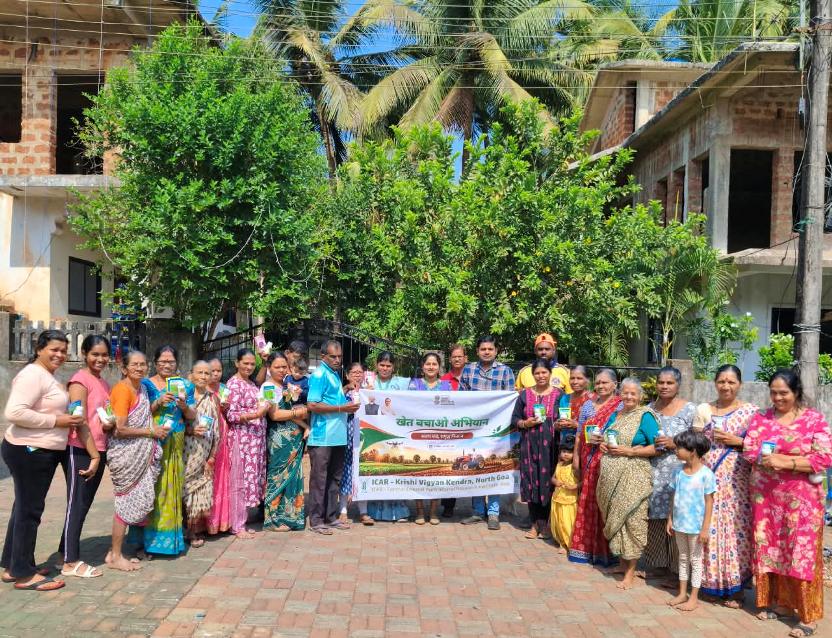
As part of the programme, Bio-NPK (microbial consortium) and vegetable seeds were distributed to the participating farmers to encourage the adoption of sustainable agricultural practices and promote vegetable cultivation. A total of 23 farmers participated in the programme and benefited from the technical sessions and interactive discussions.
The programme was coordinated by Dr. Nivya K R, Mr. Rahul Kumar and Dr. Theivanai M.