गोवा के सीईएस पार्वतीबाई चौगुले कॉलेज में आक्रामक मछली प्रजातियों के प्रबंधन पर जागरूकता कार्यशाला आयोजित

गोवा के सीईएस पार्वतीबाई चौगुले कॉलेज में आक्रामक मछली प्रजातियों के प्रबंधन पर जागरूकता कार्यशाला आयोजित

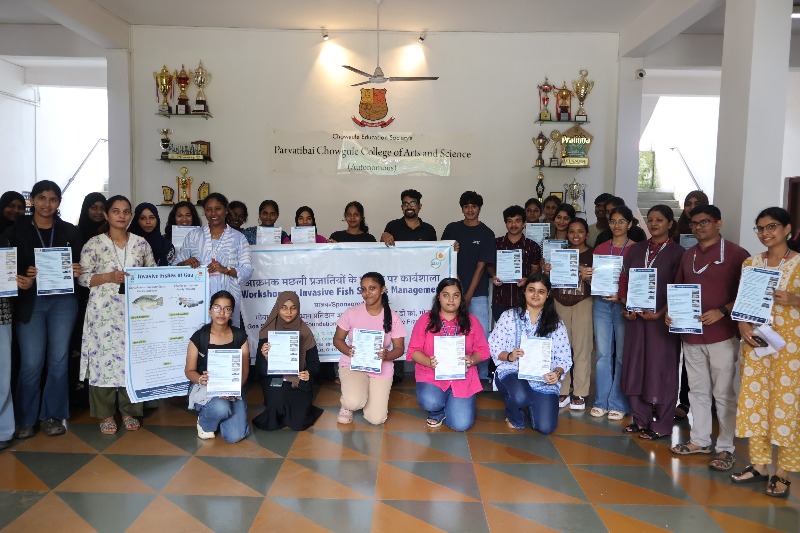
    भारतीय कृषि अनुसंधान परिषद–केंद्रीय तटीय कृषि अनुसंधान संस्थान (ICAR-CCARI), गोवा द्वारा सीईएस पार्वतीबाई चौगुले कॉलेज ऑफ आर्ट्स एंड साइंस (स्वायत्त), गोवा के सहयोग से 18 अगस्त 2026 को गोवा में आक्रामक मछली प्रजातियों के प्रबंधन पर एक जागरूकता कार्यशाला आयोजित की गई। यह कार्यक्रम गोवा राज्य अनुसंधान फाउंडेशन (GSRF) द्वारा वित्त पोषित IRIS-LD अनुसंधान परियोजना, जो गोवा में आक्रामक मछली प्रजातियों के प्रबंधन से संबंधित है, के अंतर्गत आयोजित किया गया।

    कार्यशाला का उद्देश्य विद्यार्थियों में ज्वारनदमुखों (estuaries) और आर्द्रभूमियों (wetlands), मत्स्य संसाधनों द्वारा प्रदान की जाने वाली पारिस्थितिकी तंत्र सेवाओं एवं उनसे होने वाले पारिस्थितिक दुष्प्रभावों, आक्रामक मछली प्रजातियों, उनके पारिस्थितिक प्रभावों, प्रबंधन रणनीतियों तथा गोवा की देशज मीठे पानी की मछली विविधता के संरक्षण के महत्व के बारे में जागरूकता बढ़ाना था।

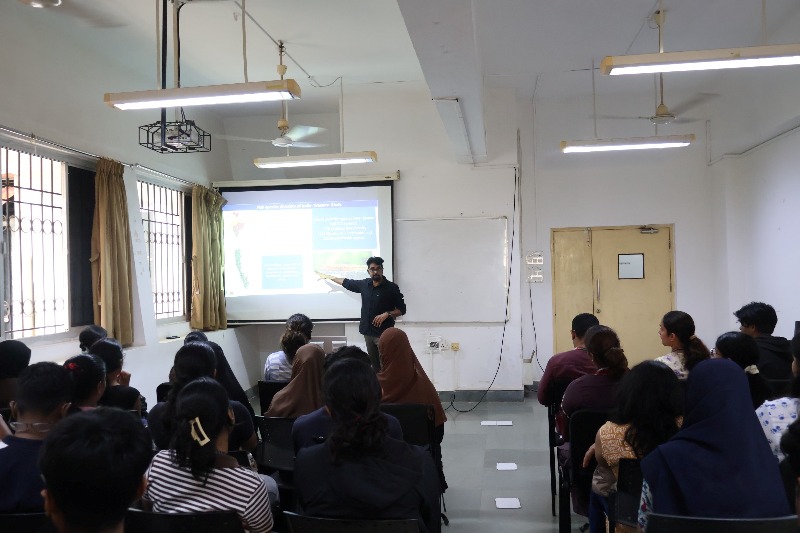
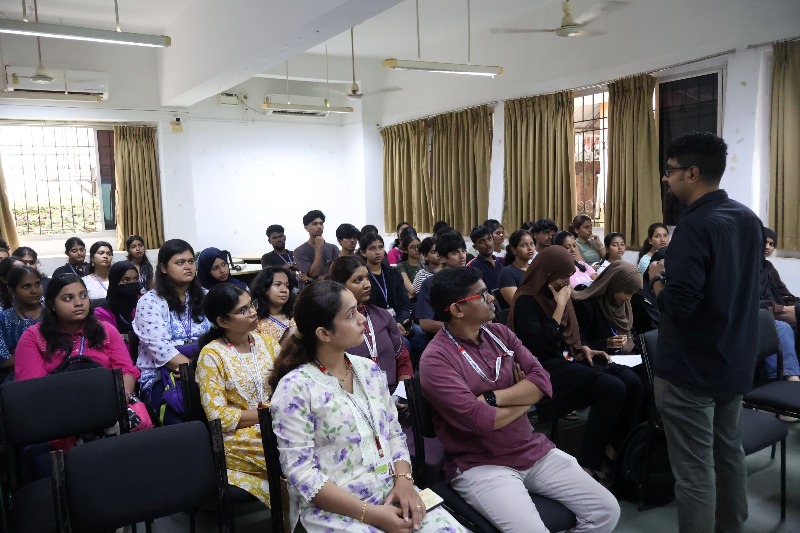
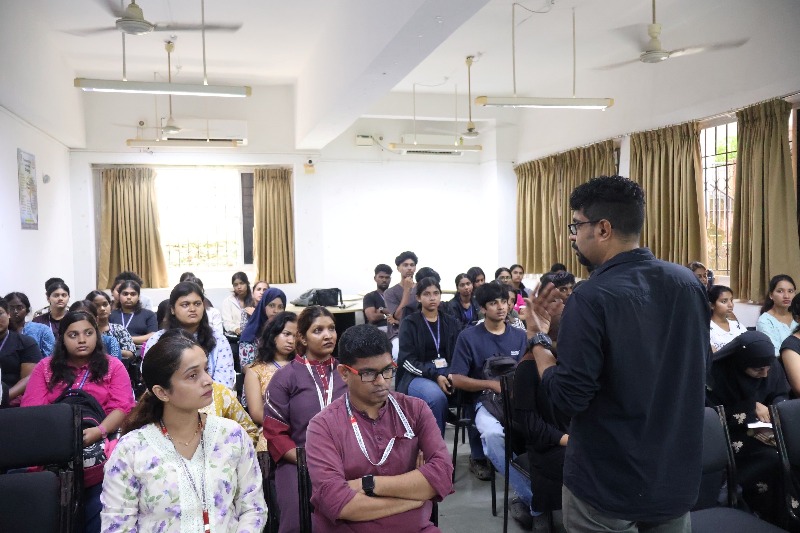
    कार्यक्रम में विद्यार्थियों और संकाय सदस्यों सहित कुल 47 प्रतिभागियों ने भाग लिया, जिनमें 13 पुरुष और 34 महिलाएँ थीं। ICAR-CCARI के वरिष्ठ वैज्ञानिक डॉ. श्रीकांत जी. बी. ने एक व्याख्यान दिया, जिसमें उन्होंने आर्द्रभूमियों और ज्वारनदमुखों के पारिस्थितिक महत्व, गोवा में आक्रामक मछली प्रजातियों की वर्तमान स्थिति, उनके प्रवेश के मार्ग, पारिस्थितिक प्रभावों तथा प्रबंधन रणनीतियों पर विस्तृत जानकारी दी।

    उन्होंने पारिस्थितिकी तंत्र सेवाओं के विश्लेषण का संक्षिप्त परिचय भी दिया और बताया कि पारिस्थितिकी तंत्र किस प्रकार प्रावधानकारी, विनियामक, सहायक और सांस्कृतिक सेवाएँ प्रदान करते हैं। उन्होंने सतत पारिस्थितिकी तंत्र प्रबंधन के लिए इन सेवाओं के आकलन और संरक्षण की आवश्यकता पर भी प्रकाश डाला। सत्र में जन-जागरूकता, प्रारंभिक पहचान, वैज्ञानिक निगरानी तथा हितधारकों की भागीदारी के महत्व पर विशेष जोर दिया गया, ताकि आक्रामक मछली प्रजातियों से गोवा के पारिस्थितिकी तंत्र की रक्षा की जा सके।

    व्यावहारिक सत्र के दौरान प्रतिभागियों को गोवा में पाई जाने वाली प्रमुख आक्रामक मछली प्रजातियों के जीवित नमूनों से परिचित कराया गया। इनमें पंगासियस (Pangasianodon hypophthalmus), अफ्रीकी कैटफिश (Clarias gariepinus), नाइल तिलापिया (Oreochromis niloticus) तथा विदेशी सजावटी मछलियाँ शामिल थीं। इसके अतिरिक्त, सामान्य देशज मीठे पानी की मछली प्रजातियों का भी प्रदर्शन किया गया, जिससे प्रतिभागियों को आक्रामक और देशज प्रजातियों की तुलना करने तथा उनकी पहचान करने के कौशल को विकसित करने में सहायता मिली।

    जीवित नमूनों के प्रदर्शन से प्रतिभागियों को आक्रामक प्रजातियों की पहचान संबंधी विशिष्ट विशेषताओं, उनके पारिस्थितिक प्रभावों तथा देशज जलीय जैव विविधता के लिए उत्पन्न संभावित खतरों के बारे में व्यावहारिक जानकारी प्राप्त हुई।

    प्रतिभागियों ने इस पहल की सराहना की और देशज मछली प्रजातियों के संरक्षण के प्रयासों में सहयोग करने तथा गोवा में आक्रामक मछली प्रजातियों के प्रभावी प्रबंधन के संबंध में जागरूकता बढ़ाने के लिए अपनी प्रतिबद्धता व्यक्त की।


Awareness Workshop on Invasive Fish Species Management Organized at CES Parvatibai Chowgule College, Goa

     ICAR–Central Coastal Agricultural Research Institute (ICAR-CCARI), Goa, organized aAwareness Workshop on Invasive Fish Species Management in Goa in association with CES Parvatibai Chowgule College of Arts and Science (Autonomous), Goa, on 18 August 2026. The programme was conducted under the Goa State Research Foundation (GSRF)-funded IRIS-LD research project on invasive fish species management in Goa. The workshop aimed to enhance awareness among students about estuaries and wetlands, ecosystem services and disservices of fisheries, invasive fish species, their ecological impacts, management strategies, and the importance of conserving the indigenous freshwater fish diversity of Goa.A total of 47participants including students and faculty members (13 male and 34 female) participated in the programme. Dr. Sreekanth GB, Senior Scientist,ICAR-CCARI delivered a lecture covering the ecological importance of wetlands and estuaries, status, pathways of introduction, ecological impacts, and management strategies of invasive fish species in Goa. He also provided a brief overview of ecosystem services analysis, highlighting the importance of ecosystems in providing provisioning, regulating, supporting, and cultural services, and the need to assess and conserve these services for sustainable ecosystem management. The session emphasized the importance of public awareness, early detection, scientific monitoring, and stakeholder participation in safeguarding Goa’s ecosystems from invasive fish species.As part of the practical session, participants were introduced to live specimens of major invasive fish species reported from Goa, including Pangasius (Pangasianodonhypophthalmus), African catfish (Clariasgariepinus), Nile tilapia (Oreochromisniloticus), and exotic ornamental fishes. A display of common native freshwater fish species was also arranged to facilitate comparison and improve species identification skills. The live demonstration provided participants with practical knowledge of the distinguishing characteristics of invasive species, their ecological impacts, and potential threats to native aquatic biodiversity.The participants appreciated the initiative and expressed their willingness to support indigenous fish conservation efforts and promote awareness regarding the effective management of invasive fish species in Goa.