
आईएआरआई - इनोवेटिव फार्मर अवार्ड 2026 - श्रीमती पोब्रिन्हा कार्वाल्हो, दिवर, उत्तरी गोवा को सम्मानित किया गया
आईएआरआई - इनोवेटिव फार्मर अवार्ड 2026 - श्रीमती पोब्रिन्हा कार्वाल्हो, दिवर, उत्तरी गोवा को सम्मानित किया गया
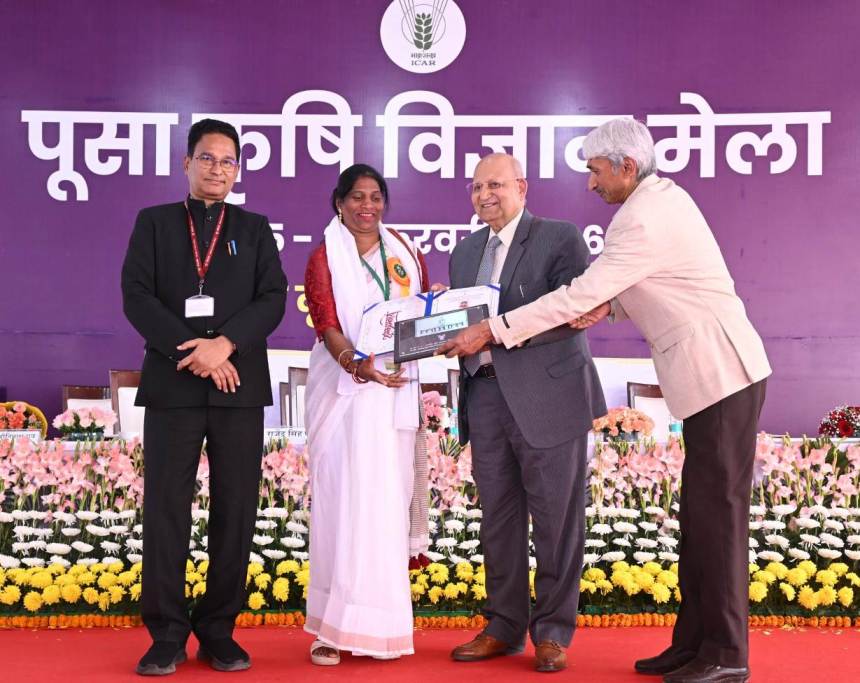
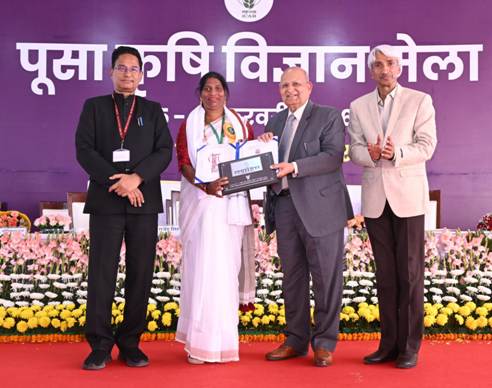
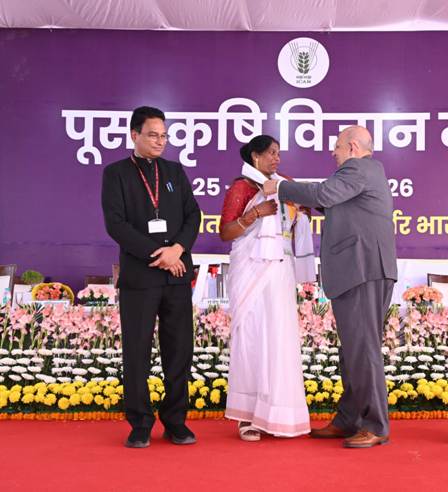
उत्तरी गोवा के दिवर की प्रगतिशील आदिवासी महिला कृषि उद्यमी श्रीमती पोब्रिन्हा कार्वाल्हो को आईसीएआर-केंद्रीय तटीय कृषि अनुसंधान संस्थान द्वारा प्रतिष्ठित आईएआरआई-इनोवेटिव फार्मर अवार्ड 2026 के लिए नामांकित किया गया है। उन्हें यह पुरस्कार 27 फरवरी 2026 को पूसा कृषि विज्ञान मेले के एक औपचारिक समारोह में भारतीय कृषि अनुसंधान परिषद के पूर्व महानिदेशक और पद्म श्री पुरस्कार से सम्मानित डॉ. आर. एस. परोदा के हाथों से प्रदान किया गया, जिनके नेतृत्व ने भारत के कृषि अनुसंधान और नीति परिदृश्य को महत्वपूर्ण रूप से आकार दिया है। यह समारोह आईसीएआर-भारतीय कृषि अनुसंधान संस्थान के तत्वावधान में आयोजित किया गया था, जो भारत के प्रमुख कृषि अनुसंधान संस्थानों में से एक है।
श्रीमती कार्वाल्हो ने आईसीएआर-सीसीएआरआई के निरंतर तकनीकी मार्गदर्शन के माध्यम से पारंपरिक घरेलू सुअर पालन को वैज्ञानिक रूप से प्रबंधित और विविध पशुधन उद्यम में परिवर्तित कर दिया है। एआईसीआरपी के तहत सुअर पालन का प्रशिक्षण और अनुसूचित जनजाति घटक (एसटीसी) के तहत संस्थागत सहयोग प्राप्त करने के बाद, उन्होंने वैज्ञानिक प्रजनन (कृत्रिम गर्भाधान सहित), जैव सुरक्षा उपाय, टीकाकरण प्रोटोकॉल, संतुलित आहार रणनीतियाँ और स्वच्छ प्रबंधन पद्धतियों को अपनाया। प्रारंभिक चरण में मुश्किल से ₹30,000 वार्षिक आय से शुरू होकर, उन्होंने अपने फार्म का विस्तार 85 से अधिक वयस्क सुअरों (15 प्रजनन मादा सुअरों सहित) तक कर लिया है और अब लगभग ₹3.5 लाख की शुद्ध वार्षिक आय अर्जित करती हैं। उनके एकीकृत कृषि मॉडल में मुर्गी पालन, सजावटी मछली पालन, खेत की फसलें और स्वदेशी अगोंडा गोअन सुअर नस्ल का संरक्षण भी शामिल है। उनकी सफलता की कहानी प्रौद्योगिकी-आधारित पशुधन उद्यमशीलता, आदिवासी महिलाओं के सशक्तिकरण, स्वदेशी आनुवंशिक संसाधनों के संरक्षण और तटीय गोवा में किसान-से-किसान विस्तार के प्रभाव को दर्शाती है। भारतीय कृषि विज्ञान के एक दिग्गज द्वारा प्रदान की गई राष्ट्रीय स्तर की मान्यता न केवल उनकी व्यक्तिगत उपलब्धि को सम्मानित करती है, बल्कि नवाचार, समावेशिता और टिकाऊ ग्रामीण आजीविका को बढ़ावा देने में आईसीएआर-सीसीएआरआई की भूमिका को भी उजागर करती है।
IARI – Innovative Farmer Award 2026 - Recognition of Smt. Pobrinha Carvalho, Divar, North Goa
Smt. Pobrinha Carvalho, a progressive tribal woman agripreneur from Divar, North Goa, has been nominated for the prestigious IARI–Innovative Farmer Award 2026 by ICAR–Central Coastal Agricultural Research Institute. She received the award during a formal ceremony of PUSA Krishi Vigyan Mela on 27th February 2026 from the hands of Dr. R. S. Paroda, Former Director General of Indian Council of Agricultural Research and a distinguished Padma Shri awardee, whose leadership has significantly shaped India’s agricultural research and policy landscape. The ceremony was organized under the aegis of ICAR–Indian Agricultural Research Institute, one of India’s premier agricultural research institutions.
Mrs. Carvalho has transformed traditional backyard pig rearing into a scientifically managed and diversified livestock enterprise through continuous technical guidance from ICAR-CCARI. After receiving training under AICRP on Pig and institutional support under the Scheduled Tribe Component (STC), she adopted scientific breeding (including Artificial Insemination), biosecurity measures, vaccination protocols, balanced feeding strategies, and hygienic management practices. From earning barely ₹30,000 annually in the initial stage, she has expanded her unit to over 85 adult pigs (including 15 breeding sows) and now generates a net annual income of approximately ₹3.5 lakh. Her integrated farming model further includes poultry, ornamental fish rearing, field crops, and conservation of the indigenous Agonda Goan pig breed.Her success story reflects technology-led livestock entrepreneurship, tribal women's empowerment, the conservation of indigenous genetic resources, and the impact of farmer-to-farmer extension in coastal Goa. The national-level recognition, conferred by a stalwart of Indian agricultural science, not only honors her individual achievement but also highlights the role of ICAR-CCARI in nurturing innovation, inclusiveness, and sustainable rural livelihoods.