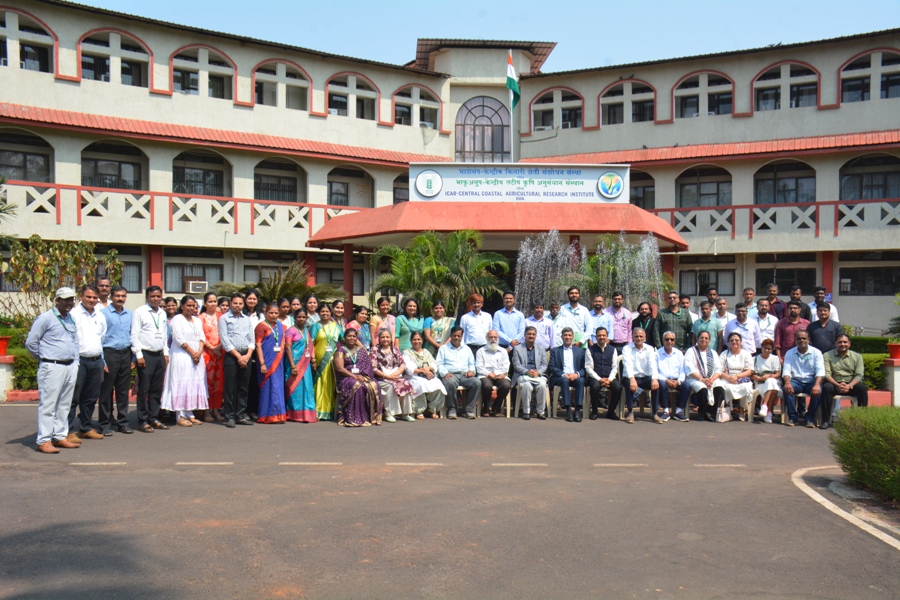

ICAR-CCARI Celebrates 37th Foundation Day; Launches “Mission Net Zero 2040” and Charts Future of Coastal Agriculture
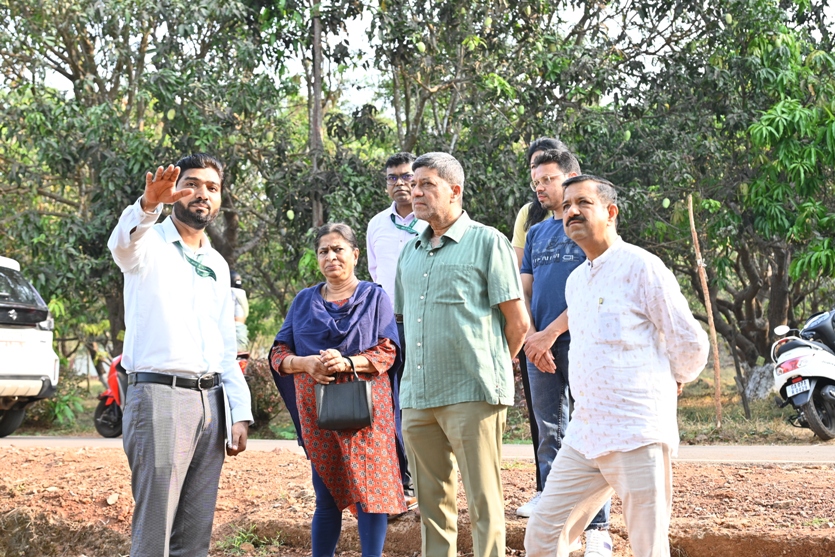
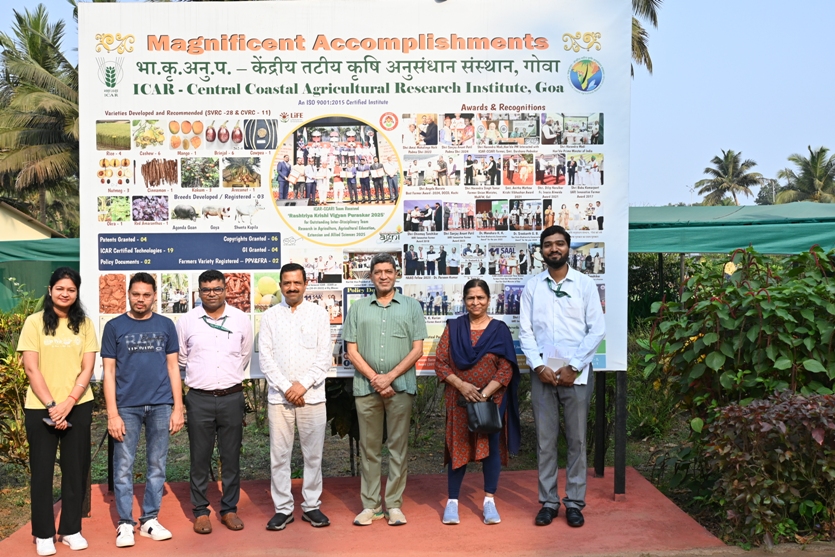
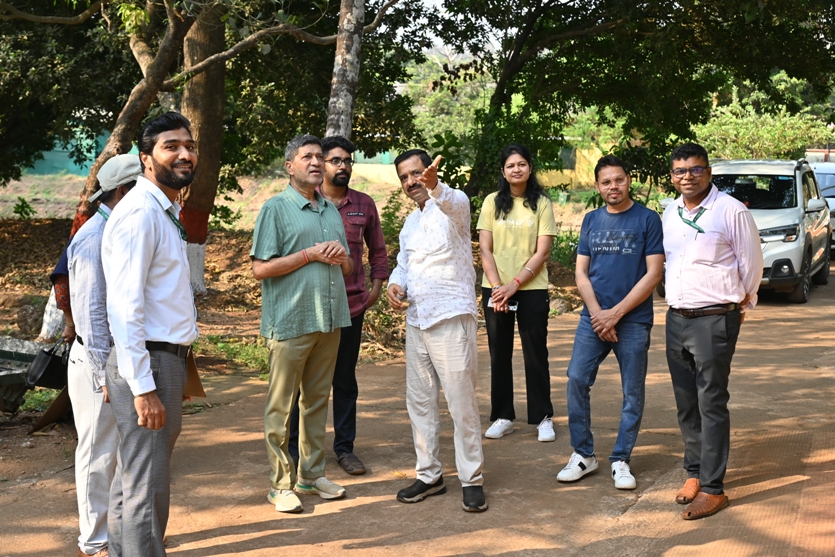
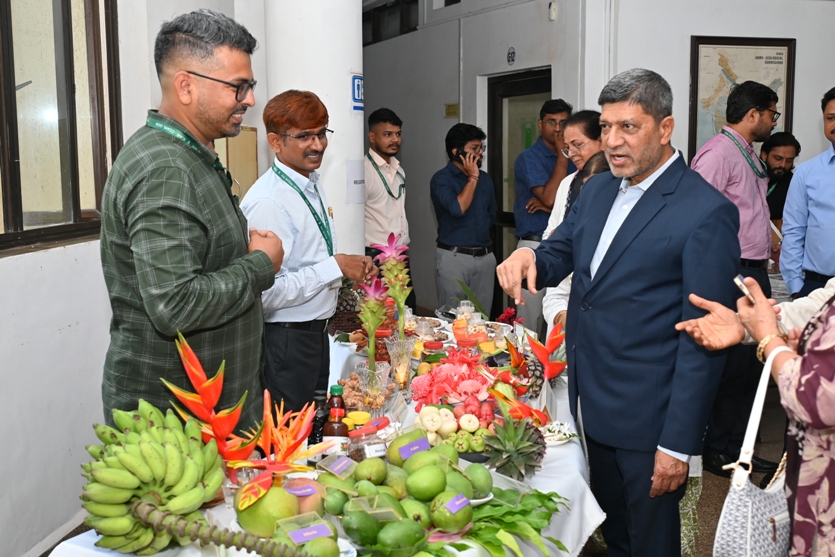
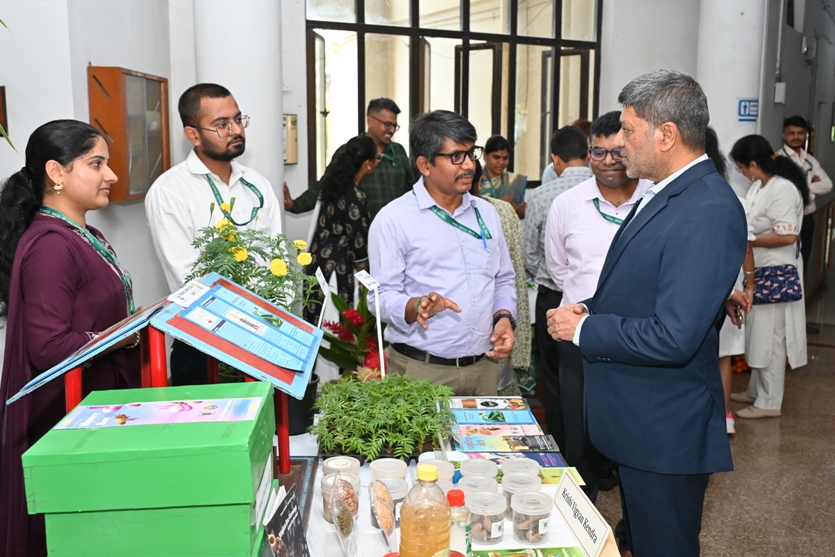
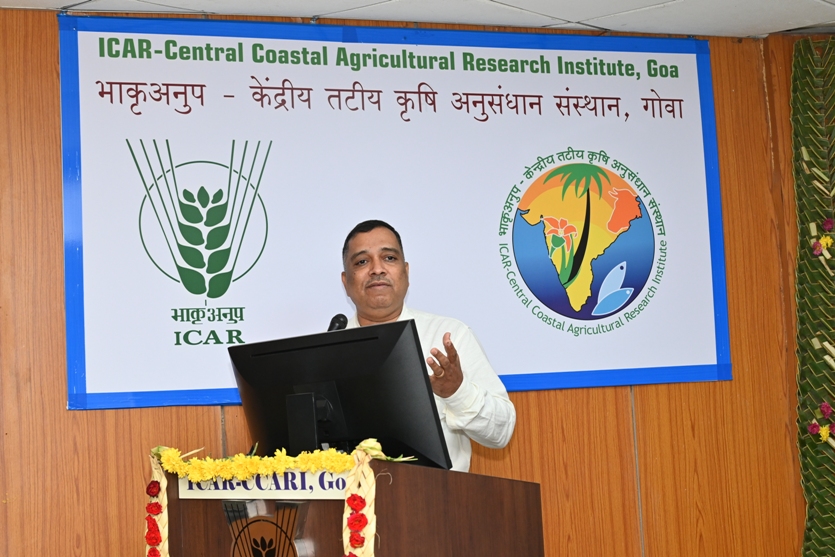
The ICAR–Central Coastal Agricultural Research Institute (ICAR-CCARI), Goa, celebrated its 37th Foundation Day with enthusiastic participation from scientists, policymakers, farmers, and stakeholders. Dr. Ashok Dalwai, IAS (Retd.), Former CEO, National Rainfed Area Authority, Ministry of Agriculture & Farmers’ Welfare, Government of India, and Chairman, Karnataka Agriculture Price Commission, graced the occasion as Chief Guest. Shri Arjun Mohan, IAS (Secretary, Agriculture, Government of Goa), Shri Sandeep Dharkar (NABARD, Goa), and Dr. Pradip Sarmokadam (GSBB, Goa) attended as Guests of Honour.
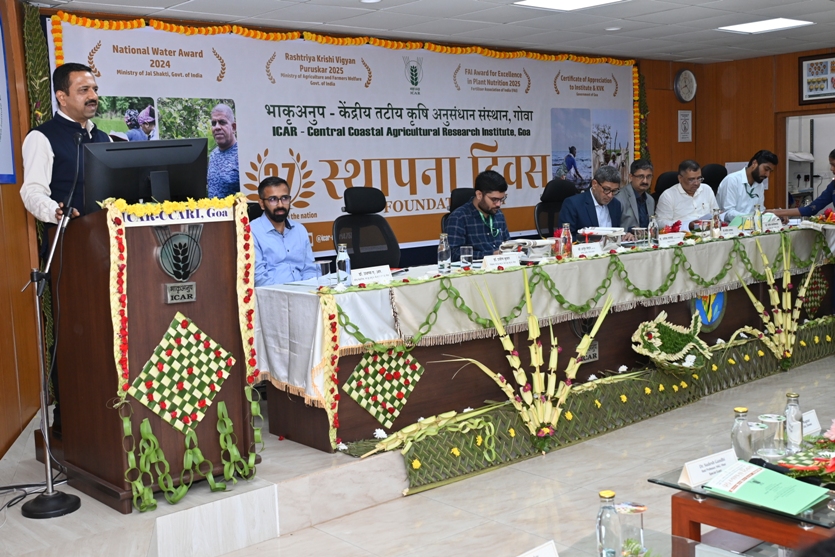
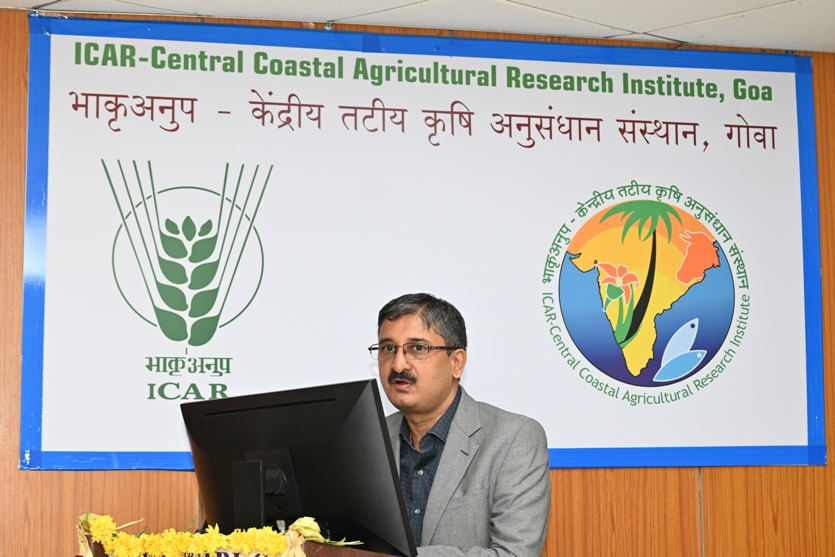
A key highlight of the programme was the Director’s presentation by Dr. Parveen Kumar titled “Gaze through the year passé,” showcasing the institute’s major achievements over the past five years. He highlighted ICAR-CCARI’s contributions in coastal agriculture, integrated farming systems, climate-resilient technologies, natural resource management, and farmer-centric innovations, along with its growing role in policy support, capacity building, and technology dissemination.
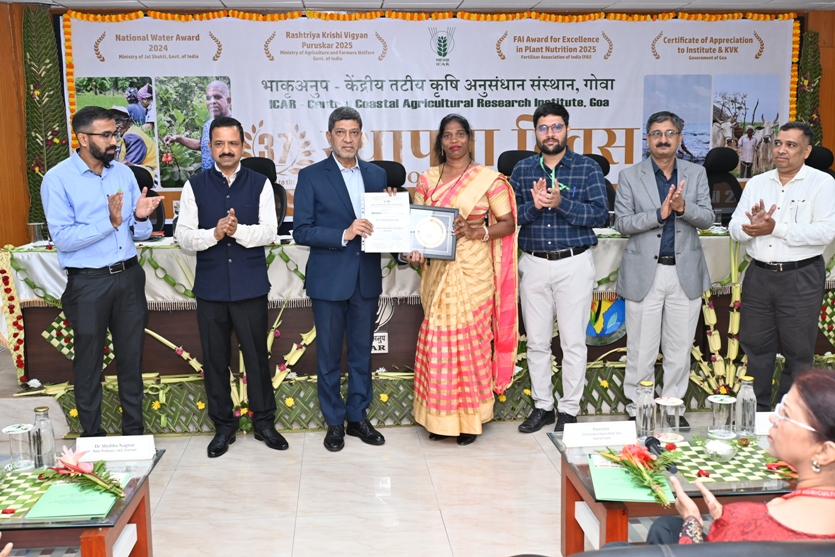
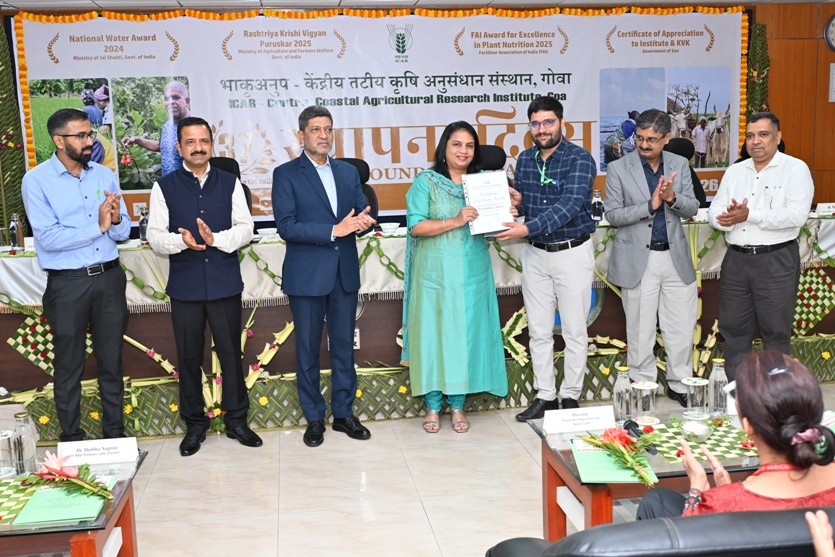
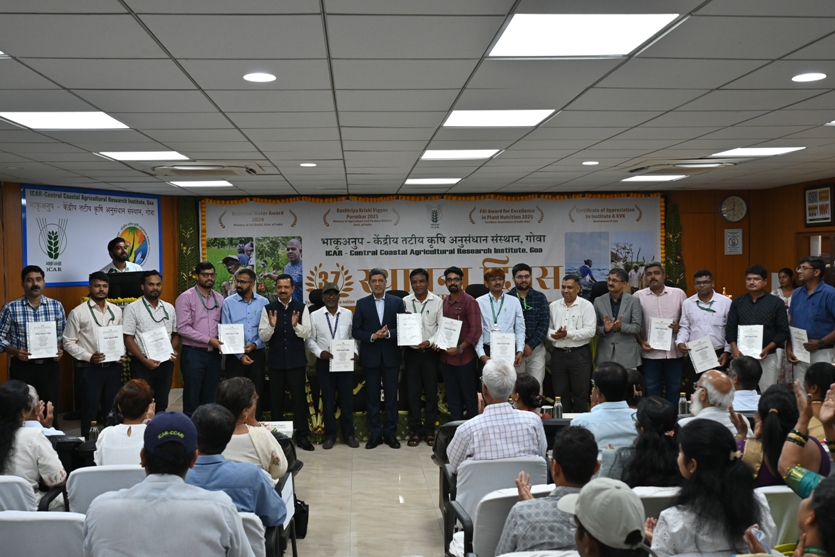
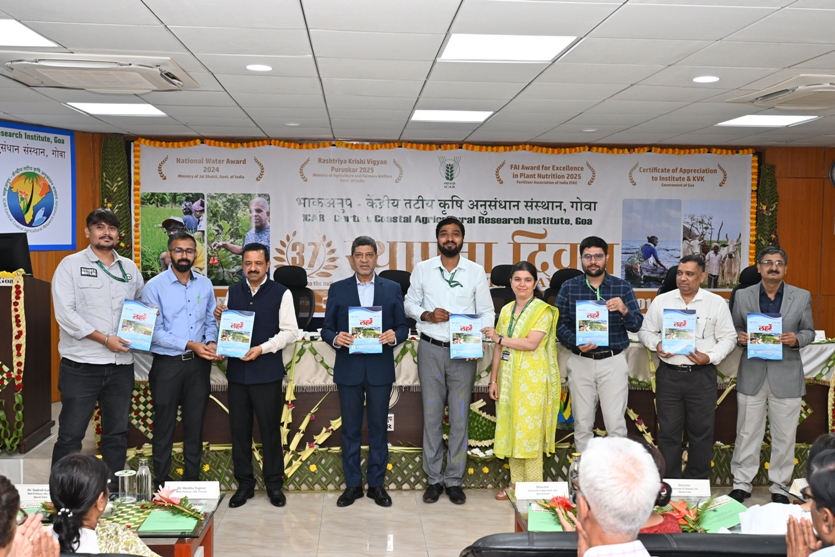
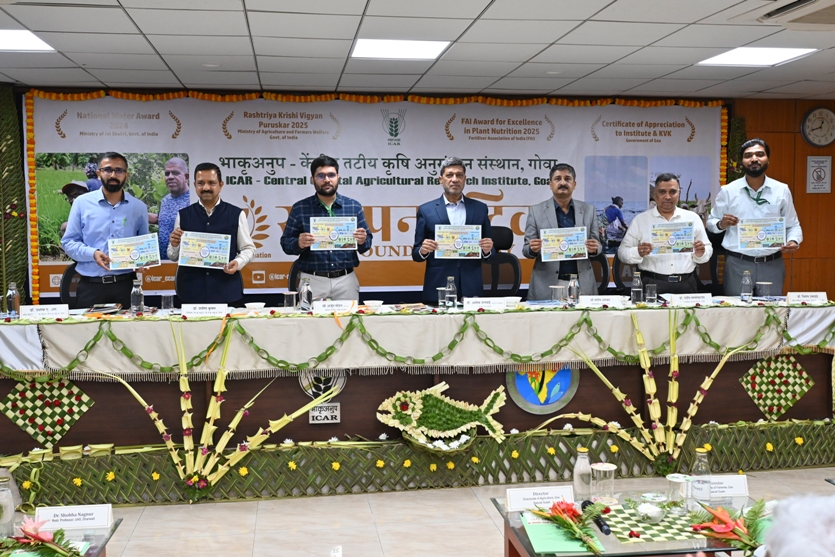
The event also witnessed the felicitation of awardee farmers for their outstanding contributions to coastal agriculture and allied sectors. Awards were presented to best-performing staff and teams, recognizing excellence in research, extension, and institutional service. The programme included the release of institute publications and the launch of “Mission Net Zero 2040,” aimed at promoting low-emission, climate-resilient, and sustainable agricultural systems in coastal regions.
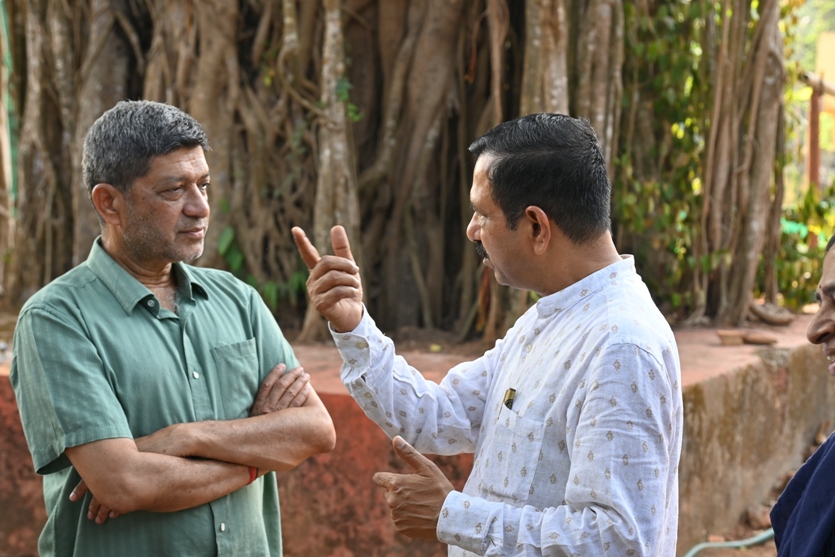
Delivering the keynote address on “Navigating the Blue Horizon – The Present and Future of Coastal Agriculture in India,” Dr. Dalwai highlighted the strategic importance of coastal agriculture as a key pillar of India’s emerging Blue Economy. He noted that India’s coastline—now mapped at over 11,000 km—supports millions of livelihoods and offers vast opportunities in fisheries, aquaculture, and integrated farming systems.
Dr. Dalwai strongly advocated the adoption of Integrated Coastal Area Management (ICAM) for sustainable development through improved planning, institutional coordination, and nature-based solutions. He also underscored the potential of multi-tier farming systems, integrated crop-livestock-fish models, and seaweed cultivation as high-value, climate-resilient pathways to enhance farmer incomes and coastal livelihoods.
Commending ICAR-CCARI’s contributions since its establishment in 1976, he urged scientists and stakeholders to continue working with renewed commitment to address emerging challenges in coastal agriculture. He concluded by emphasizing that as India progresses towards becoming a developed nation by 2047, the future of agriculture lies in “ecosystem-based management for sustainable development.”