
ICAR-KVK North Goa and ICAR-CCARI Organized One-Day Training on Crab and Fish Farming
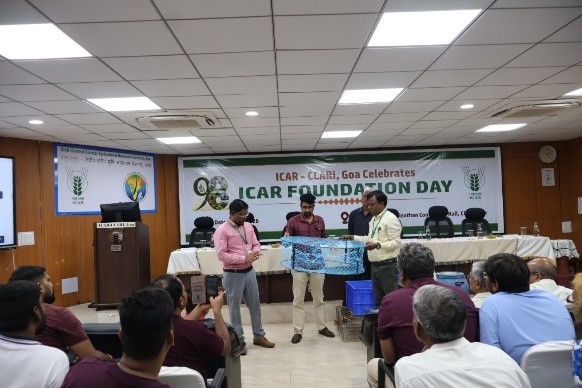
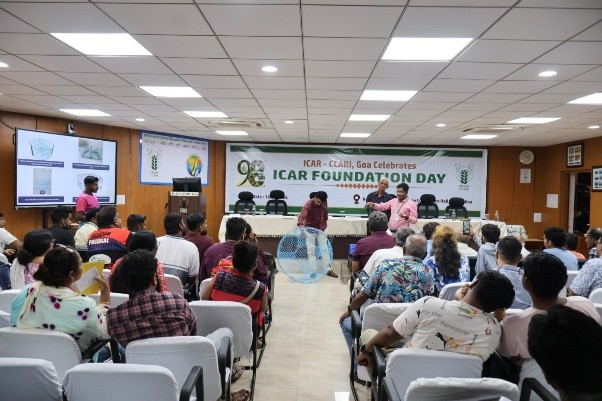
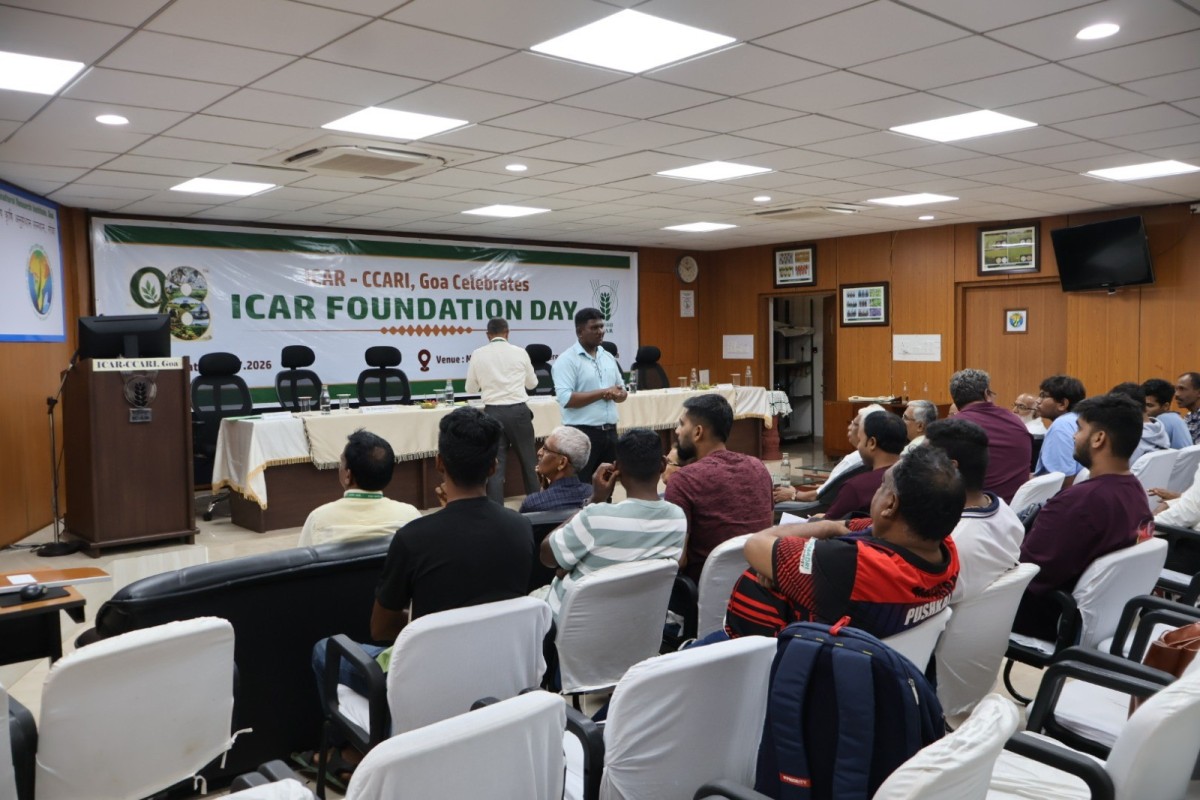
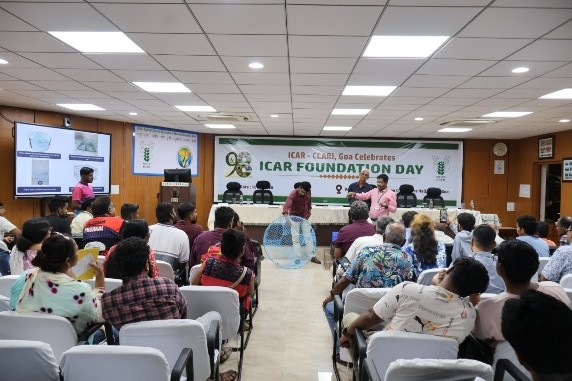
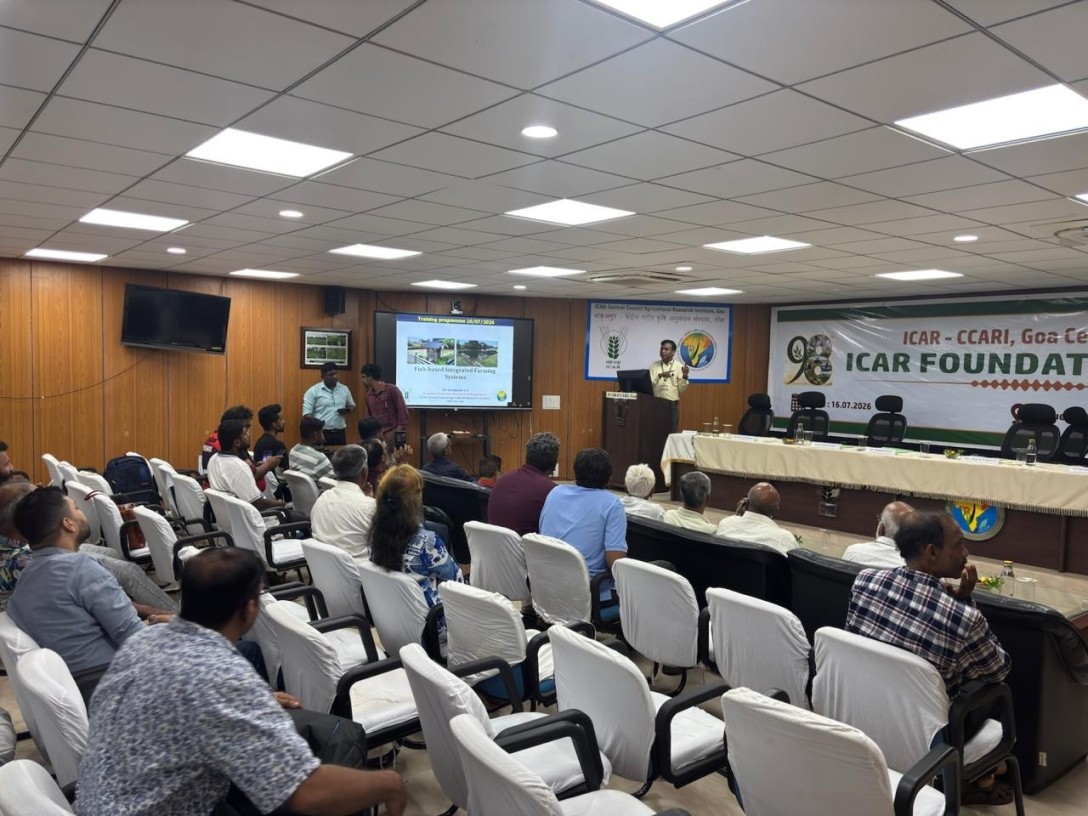
ICAR–Krishi Vigyan Kendra (KVK), North Goa, in collaboration with ICAR–Central Coastal Agricultural Research Institute (ICAR-CCARI), Goa, organized a one-day training programme on "Crab and Fish Farming" on 17 July 2026 at ICAR-CCARI, Ela, Old Goa. The programme aimed to create awareness among farmers, rural youth, and Self-Help Groups (SHGs) about the vast potential of aquaculture as a profitable and sustainable supplementary enterprise.
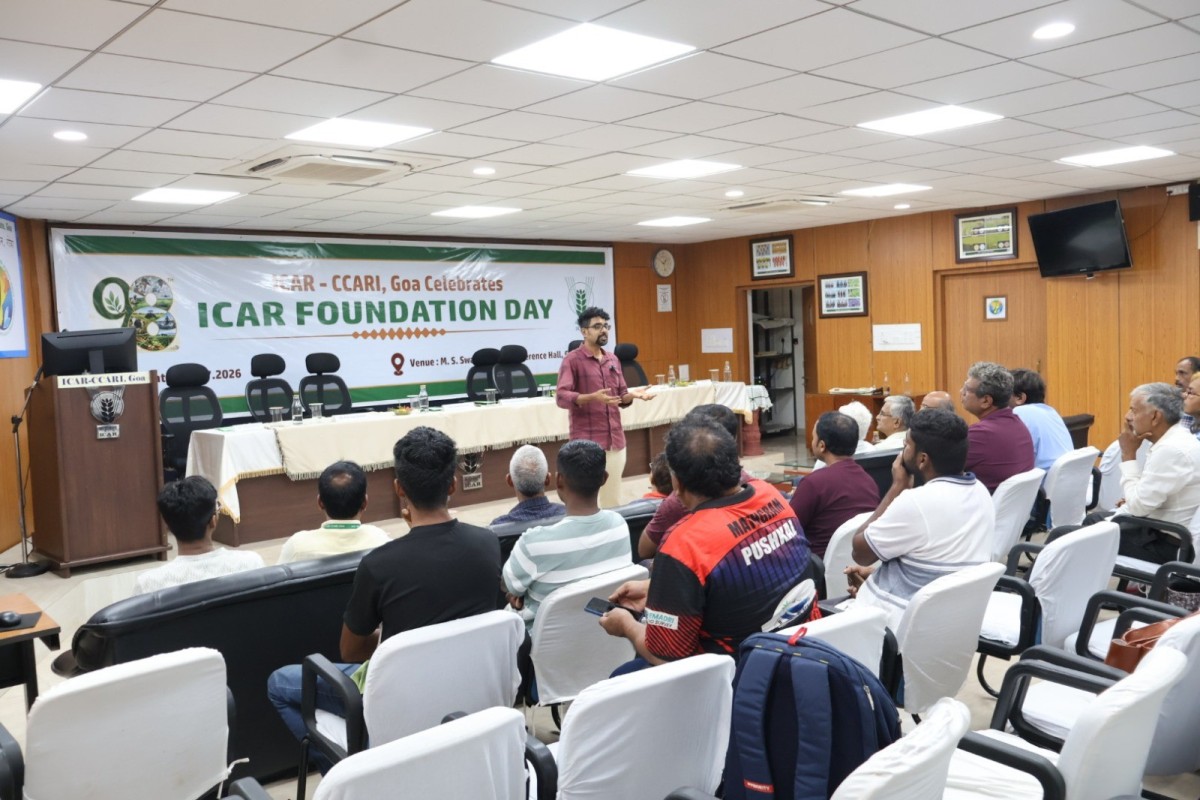
Dr. Sreekanth G. B., Senior Scientist (Fisheries Resource Management), explained the concept of integrating fish farming with livestock and poultry enterprises and highlighted successful integrated farming models that enhance farm profitability, improve resource utilization, and promote sustainable agricultural production. Mr. Trivesh Mayekar, Scientist (Fish Genetics and Breeding), elaborated on scientific methods of mud crab culture, cage culture techniques, the economics of crab farming, and various schemes implemented by the Department of Fisheries, Government of Goa, to promote aquaculture among farmers and fishers in the state.
Dr. S. V. Udharwar, Subject Matter Specialist (Animal Science), ICAR–KVK, North Goa, highlighted the immense potential of fish and crab farming as entrepreneurial ventures for the youth of Goa. He also emphasized the opportunities available in ornamental fish production and encouraged Self-Help Groups (SHGs) to adopt ornamental fish farming as a sustainable income-generating enterprise. Mr. Mrudul Pendurkar, Young Professional-I, conducted a session on Ornamental Fish Farming, focusing on its commercial prospects, suitable species, breeding techniques, and marketing opportunities.
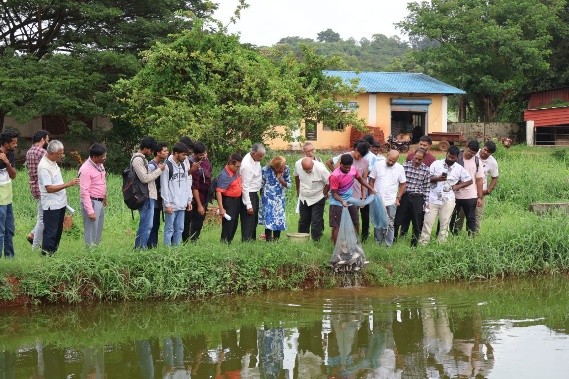
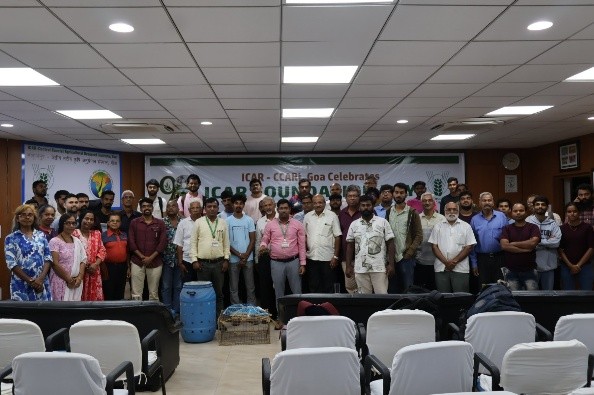
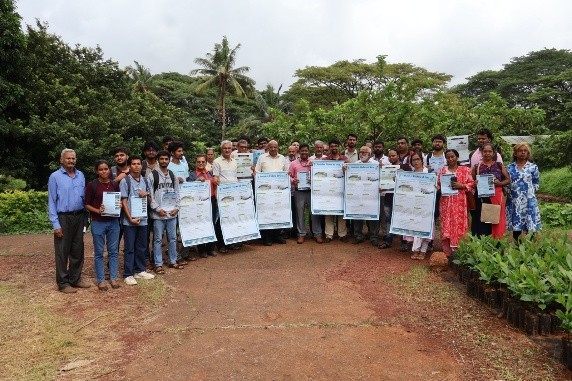
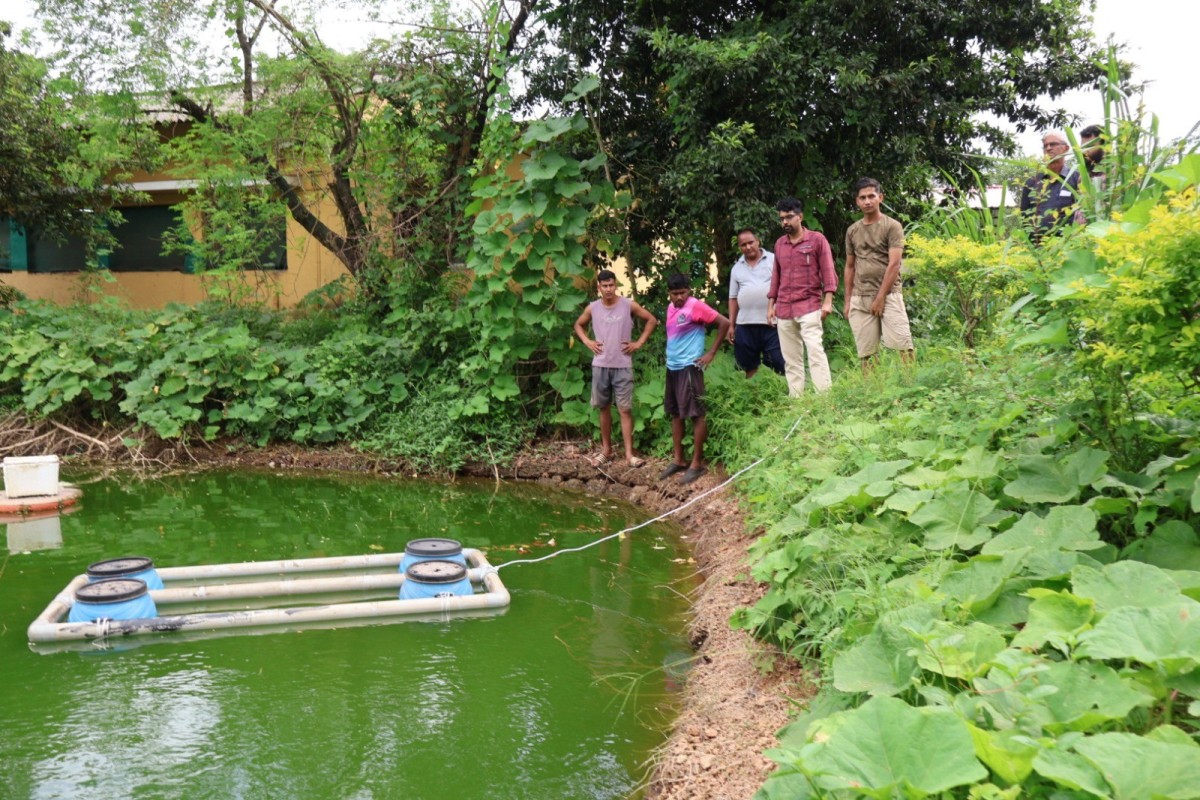
The training programme also included an extensive hands-on practical session at the Wet Laboratory of the Fisheries Science Unit. Participants received practical demonstrations on mud crab handling, cage culture techniques, breeding management, precautions during seed stocking, identification of fish seed (fingerlings), and scientific management practices for freshwater fish culture. An exposure visit to the institute's fish ponds was also organized, enabling participants to observe modern aquaculture technologies and scientific fish farming practices. A total of 43 farmers, including 36 men and 7 women, actively participated in the training programme. The programme significantly enhanced the participants' knowledge and practical skills in scientific aquaculture and motivated them to adopt fish and crab farming as viable enterprises for improving their livelihoods and income.