
आईसीएआर-सीआईएफई, मुंबई के विद्यार्थियों के लिए तटीय कृषि एवं मत्स्य पालन पर क्षमता निर्माण कार्यक्रम
Capacity Building programme on coastal agriculture and fisheries for students from ICAR-CIFE, Mumbai
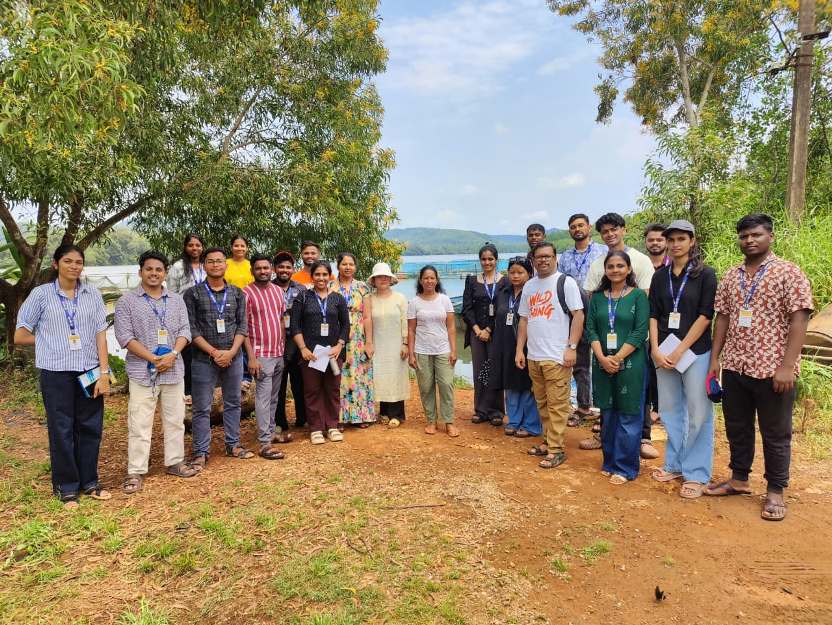
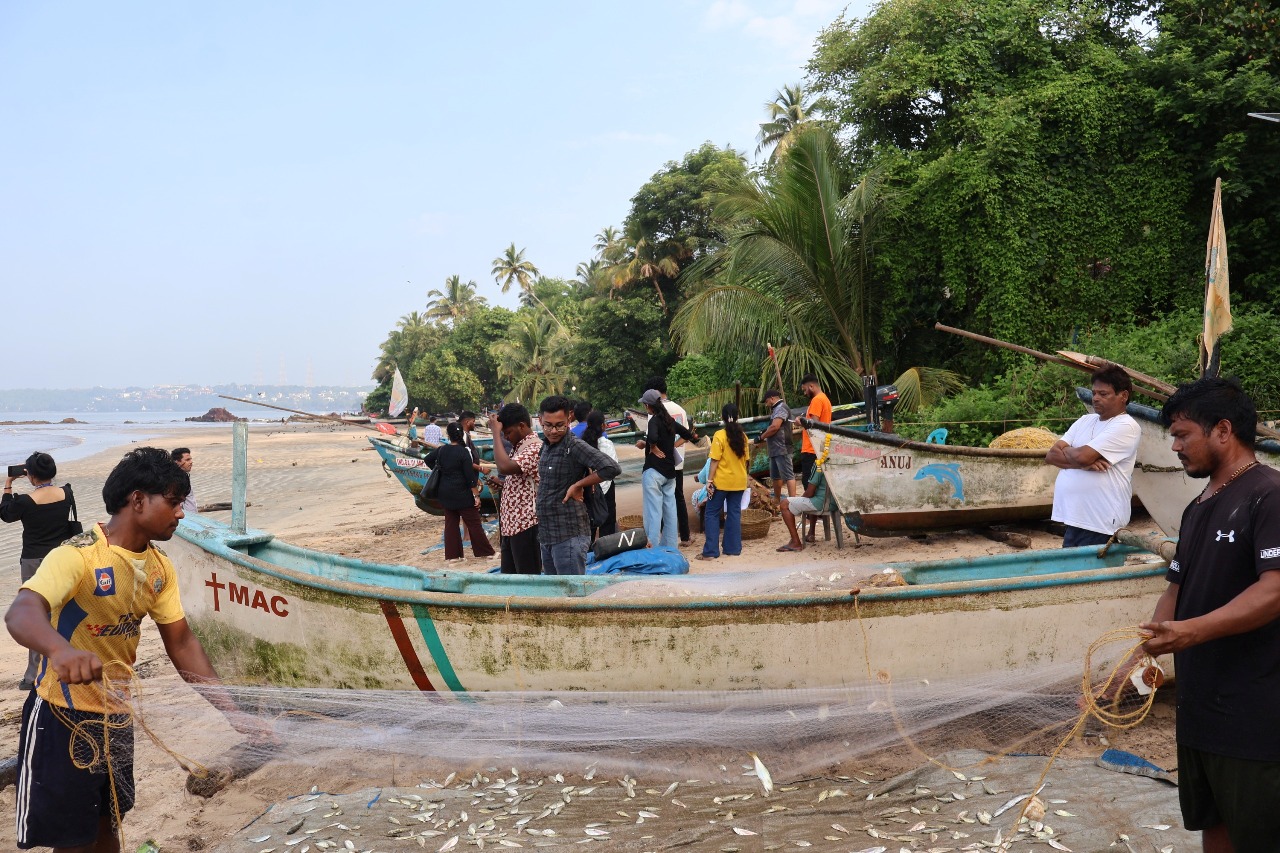
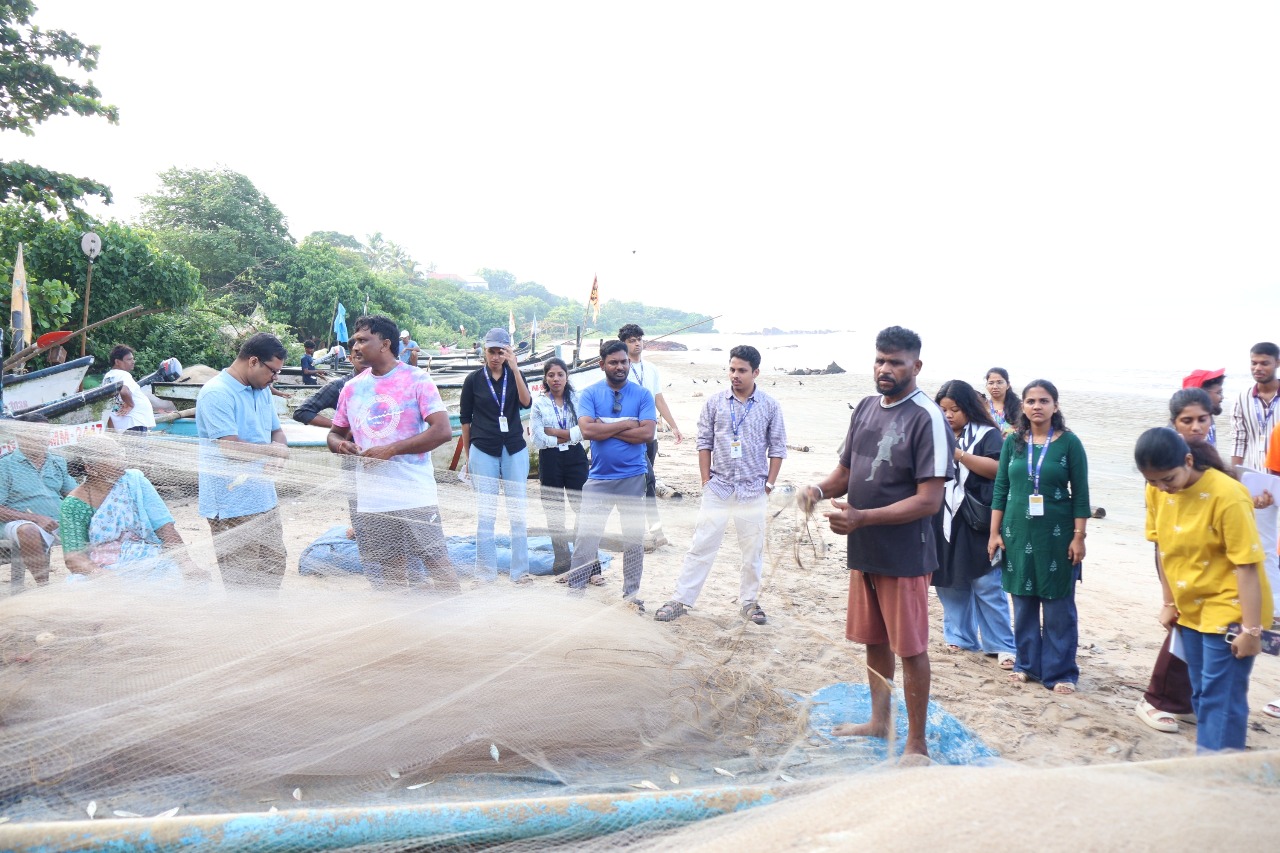
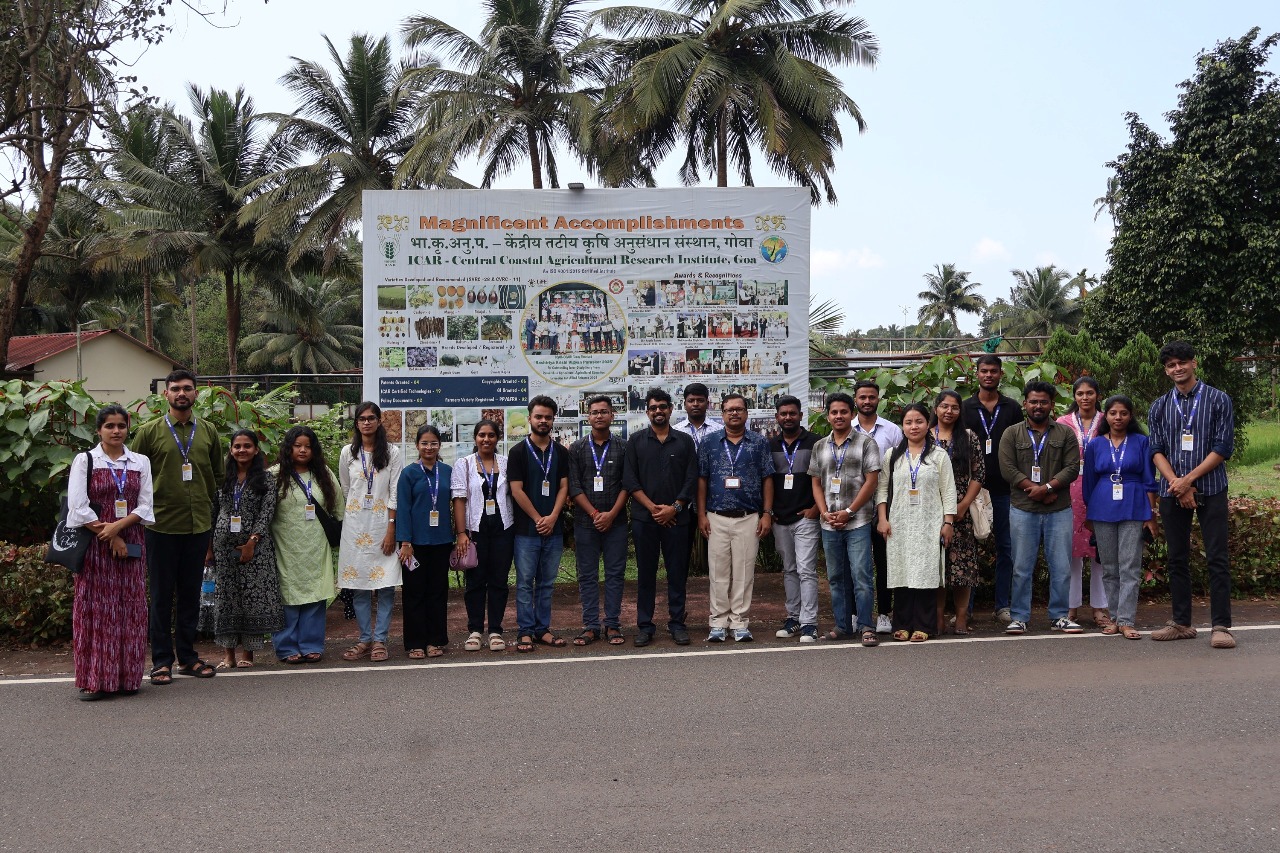
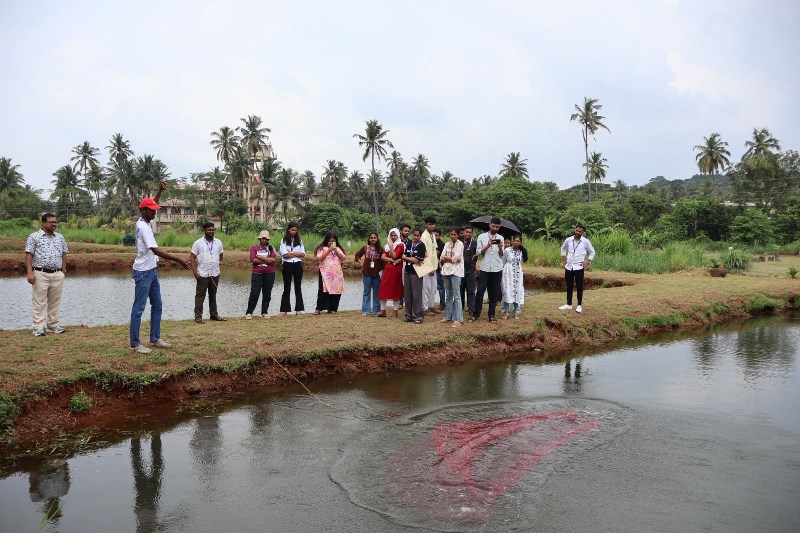
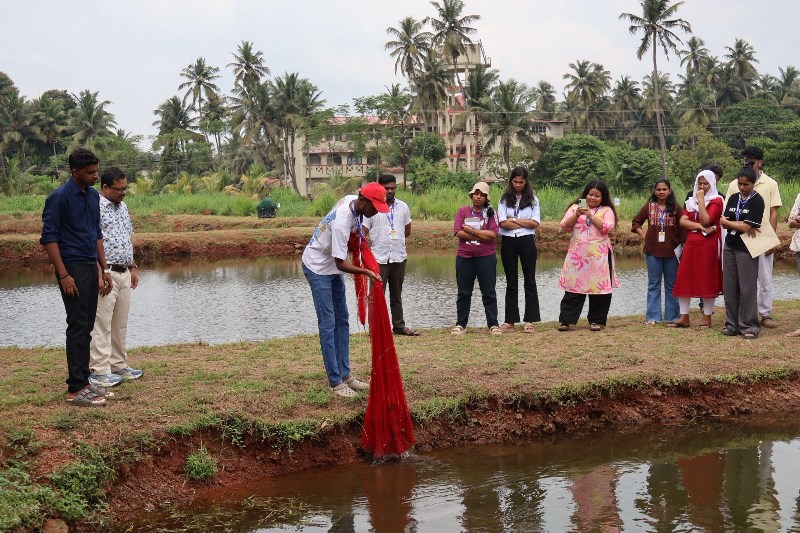
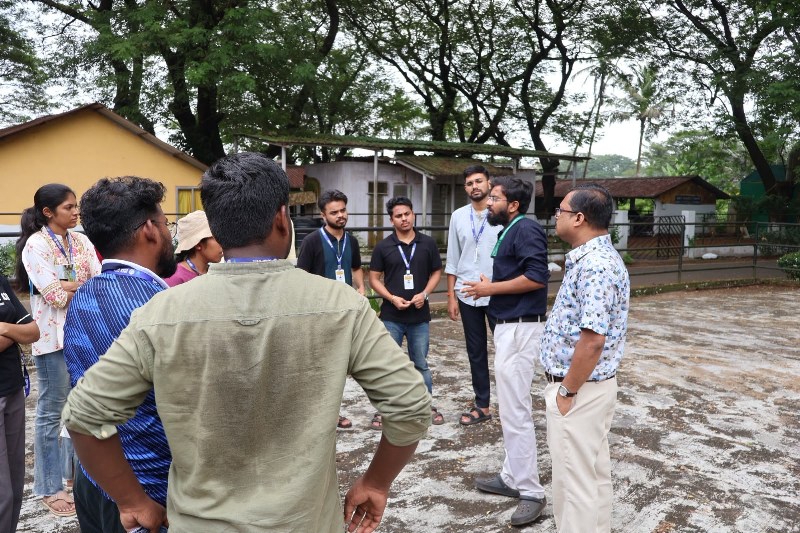
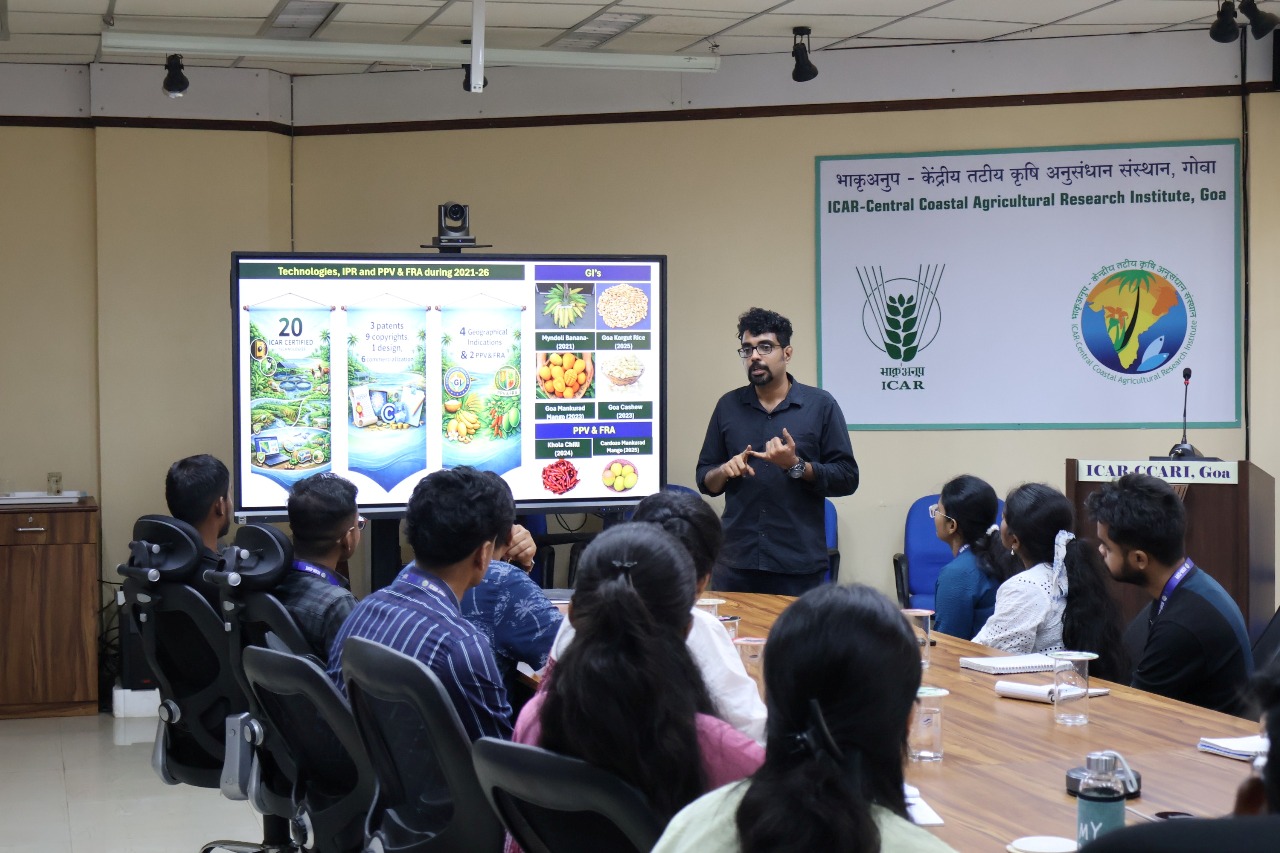
ICAR-CCARI, Goa, organized a Three-Days Capacity Building Programme for the students of ICAR–Central Institute of Fisheries Education (CIFE), Mumbai, specializing in Fisheries Extension, Economics and Statistics, from 28 to 30 September 2026. The programme was designed to provide the participants with theoretical knowledge as well as practical exposure to coastal agriculture, fisheries and aquaculture, fisheries resource management, agricultural economics, statistical methods, fisheries extension, and field-level data collection. The programme commenced on 28 September 2026 with a welcome and introduction session by Dr. Sreekanth G.B., Senior Scientist (FRM) , ICAR-CCARI. He welcomed the participants and provided an overview of the programme and its objectives. A technical session on “Introduction to Coastal Agriculture: CCARI’s Role in Self-Reliant Coastal Agriculture” was conducted, highlighting the importance of coastal agricultural systems and the role of ICAR-CCARI in promoting sustainable and self-reliant coastal agriculture. Dr. Shripad Bhat, Senior Scientist, Agricultural Economics, delivered a lecture on “Statistical Methods Used for Research in Coastal Agriculture,” covering the importance and application of statistical techniques in agricultural and fisheries research. Dr. Sreekanth G.B. also delivered a session on “Ecosystem-Based Fisheries Management for Fisheries and Aquaculture: Concepts and Tools,” introducing the participants to ecosystem-based approaches, tools and software for sustainable fisheries and aquaculture management. On 29 September 2026, the participants were taken for field exposure to understand the practical aspects of fisheries and fisheries extension. The field visit included an interaction with fishermen at Siridao Fish landing centre, where the participants gained first-hand information about fishing activities, livelihood practices, fisheries resources, and challenges faced by coastal fishing communities. The participants also visited the multi-species cage fish farming activity of Smt. Silvia Fernandez at Curtorim, where they interacted with the fish farmer and learned about practical cage culture practices, farm management, and the opportunities and challenges associated with aquaculture. As part of the practical component, the participants were also introduced to experimental data collection for fisheries extension using designed schedules. The exercise provided practical understanding of systematic field data collection and its importance in fisheries extension, socioeconomic assessment, and research.
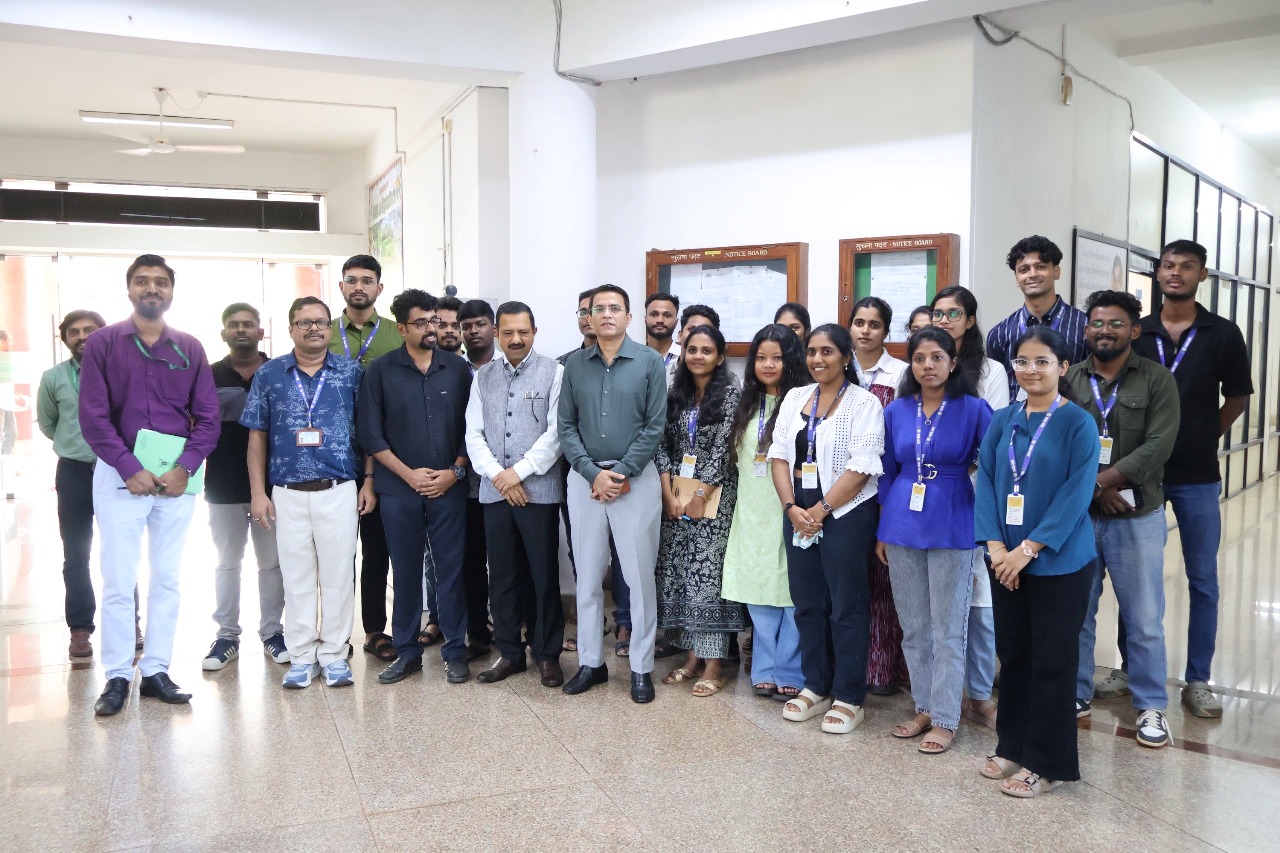
On 30 September 2026, Shri Trivesh Mayekar, Scientist, Fish Breeding and Genetics, delivered a technical lecture on “Aquaculture in the Coastal Region: Status, Potential and Challenges.” The lecture focused on the present status and potential of coastal aquaculture, its importance for livelihood and food production, and the major challenges associated with sustainable aquaculture development. The participants subsequently visited the field experiments, laboratories, and various research units of ICAR-CCARI, Goa. An awareness session on the management of invasive fish species in Goa was also conducted. The institutional visit provided them with practical exposure to ongoing research activities, experimental facilities, aquaculture-related activities, and technologies developed for coastal and agricultural systems. The programme was coordinated by Dr. Sreekanth G.B., Dr. Prasenjit Pal, Shri Trivesh Mayekar, Dr. Shripad Bhat, Mr. Mrudul Pendurkar, and Mr. Aron Vales. The combination of technical lectures, field visits, stakeholder interactions, practical data collection exercises, and exposure to research facilities provided the students with a comprehensive understanding of the linkages between coastal agriculture, fisheries, aquaculture, economics, extension, and resource management. Overall, the three-day capacity building programme successfully provided the participants with an opportunity to connect theoretical concepts with practical field-level experiences. The interaction with fishermen and fish farmers and the exposure to ICAR-CCARI’s research laboratories, field experiments, and technological interventions enhanced their understanding of the opportunities and challenges in coastal agriculture, fisheries, and aquaculture. The programme also strengthened the participants’ knowledge of research methodology, statistical applications, fisheries extension, and ecosystem-based approaches for sustainable management of coastal resources.